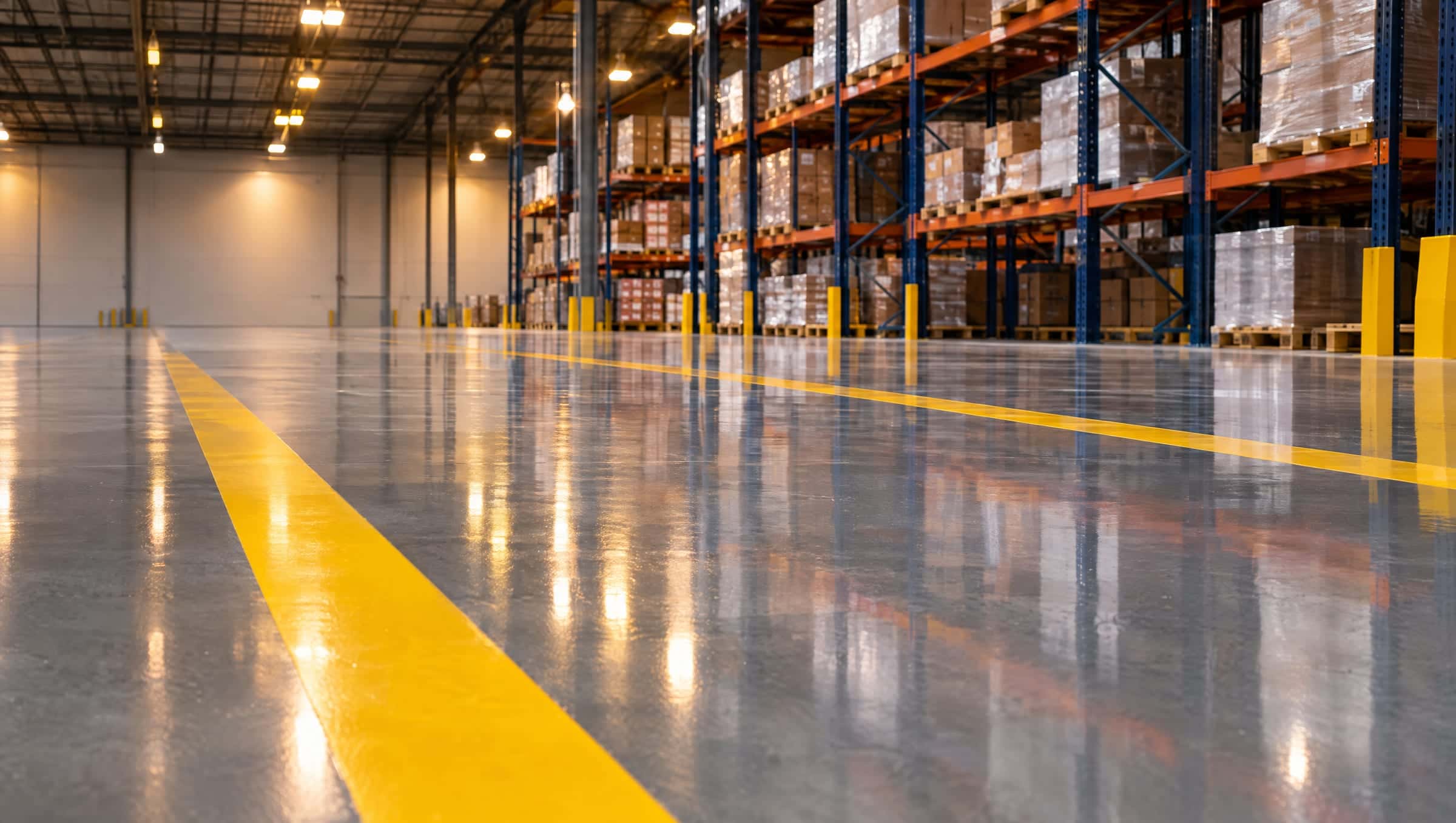
Commercial Epoxy Flooring in San Diego
Seamless resin floor systems for warehouses, showrooms, retail, kitchens, breweries, gyms, and labs, selected for the traffic, chemicals, and cleaning your space actually sees.
- Free on-site estimateMoisture test included
- Diamond-ground prepBonds into the slab
- UV-stable topcoatsBuilt for coastal sun
- Carlsbad to CoronadoService area
About commercial epoxy flooring
Commercial epoxy flooring is a family of systems, not one product. In San Diego we install 100% solids epoxy, broadcast quartz, urethane cement, and polyaspartic or urethane topcoats, and we select among them by how the floor will be used: forklift traffic, chemical spills, hot washdowns, or showroom foot traffic.
Every system starts with the same foundation: diamond-ground or shot-blasted concrete, moisture testing, and repaired cracks and joints. From there, build thickness, texture, and topcoat are matched to your operation. A dry storage room and a brewhouse should not get the same floor.
We plan installs around your business. Work can be phased by zone, and night or weekend installs are an option we can discuss when the site and the system allow it.
Why homeowners and businesses choose it
Warehouses and forklift traffic
Warehouse epoxy flooring has to handle hard wheels, pallet jacks, and point loads. That calls for a higher-build epoxy or broadcast system over properly prepared concrete, with joints filled to protect their edges. Line striping and safety colors mark aisles, pedestrian walkways, and staging zones as part of the coating.
Commercial kitchen flooring and breweries
Hot water, steam cleaning, and cold rinses expand and contract a floor fast. Urethane cement flooring handles that thermal shock better than standard epoxy and resists many food acids, fats, and cleaners. It is typically installed from about 1/8 to 3/8 inch thick depending on grade, with a textured surface for wet areas.
Showrooms, retail, and gyms
Showroom floors are part of the presentation. Flake, quartz, and metallic finishes give a seamless look in brand colors, and polyaspartic or urethane topcoats add scuff and UV resistance near storefront glass. Gyms get textured, cleanable systems for cardio and functional areas, while heavy free-weight zones still need rubber matting.
Labs and chemical exposure
Chemical resistance is specific: a floor that shrugs off motor oil may stain or soften under certain acids or solvents. We ask what is used and spilled in your space, then check candidate systems against the manufacturer's chemical resistance data. Labs and light manufacturing often call for seamless systems with coved bases at the walls.
What goes into the system
| Spec | Typical |
|---|---|
| Systems | 100% solids epoxy, broadcast quartz, urethane cement, and polyaspartic or urethane topcoats |
| Typical build | From thin roll-applied coatings to broadcast systems around 1/8 inch and urethane cement up to about 3/8 inch, depending on use |
| Surface prep | Diamond grinding or shot blasting, moisture testing, crack and joint repair |
| Return to service | Epoxy foot traffic typically after about 24 hours; heavy traffic and full chemical resistance typically after several days to a week; fast-cure options shorten this |
| Texture | Smooth to aggressive, set by aggregate broadcast for wet or greasy areas |
| Markings | Line striping, safety colors, and zone marking built into the system |
| UV stability | UV-stable polyaspartic or urethane topcoats where sunlight or open dock doors reach the floor |
Every figure depends on the specific products. We confirm build, cure, and chemical resistance against manufacturer data, with systems selected to meet your facility's requirements.
How we install it
- 01
Inspection and moisture test
We walk the space, measure it, and look closely at the slab: cracks, spalls, old coatings, oil stains and drainage. Then we test for moisture vapor with a calcium chloride test or a relative humidity probe. The results decide the system, the primer and the prep, and they go into your written estimate.
- 02
Diamond grinding and surface prep
We grind the concrete with diamond tooling and dust collection to a consistent profile, typically CSP 2 to 3, about the feel of medium sandpaper. Grinding removes weak surface paste, old sealers and contamination, so the base coat bonds into the slab instead of sitting on top of it.
- 03
Crack and spall repair
Cracks, chips, spalls and pitting are filled with a polyurea or epoxy repair material and ground flush with the floor. Control joints are cleaned out and either filled or kept open, depending on the system. Repairs stop defects from showing through the finish and remove weak points where a coating could lift.
- 04
Base coat and broadcast
The base coat goes down: 100% solids epoxy, polyurea, or a moisture-mitigating primer where testing called for one. Flake floors get color chips broadcast to full coverage. Metallic floors get pigments worked by hand. Commercial floors may get a quartz broadcast. Loose material is scraped and vacuumed once the base cures.
- 05
UV-stable topcoat, cure and return to service
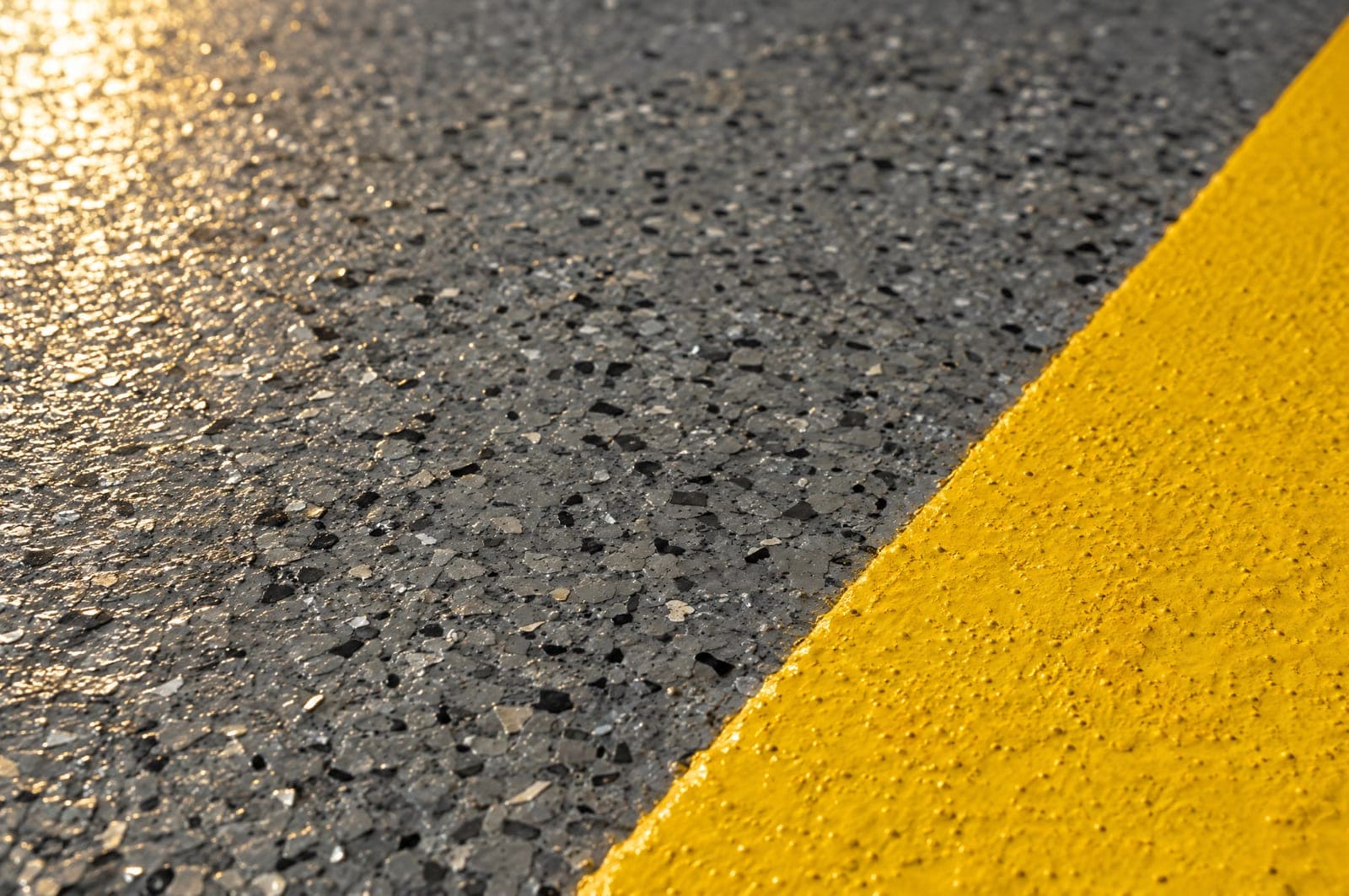
A clear polyaspartic or polyurea topcoat seals the floor, sets the sheen and resists UV yellowing, with slip-resistant texture available. Foot traffic typically returns within about 24 hours. Vehicles typically wait 24 to 48 hours on polyaspartic systems and 3 to 7 days on epoxy, depending on product and temperature.
- Commercial jobs add a scheduling step: we map the work by zone, agree on what must stay open, and plan dust control, ventilation, and cure time around your operations before grinding begins.
- Moisture testing carries extra weight on older slabs and slabs poured without an effective vapor retarder. Where readings are high, we specify a moisture-mitigating primer or a moisture-tolerant urethane cement system.
- Joints are treated by use. Saw-cut control joints in forklift aisles get a semi-rigid filler to protect their edges, and joints that still move are honored rather than coated over.
Built for coastal sun, salt air, and moisture
Coastal facilities and salt air
Facilities near the bay, the harbor, and the coast take in salt air and damp marine-layer mornings through every roll-up door. Chlorides attack bare concrete and exposed steel over time. A continuous resin system seals the slab against that exposure, and UV-stable topcoats keep floors near open doors and storefronts from yellowing.
Breweries and food service
San Diego's craft brewing and restaurant scene puts many floors under hot washdowns, caustic and acid cleaners, and standing water. Those are the conditions where standard epoxy can crack or debond, and where urethane cement, a textured finish, and good slope to drains earn their place. We select systems to meet your facility's requirements.
Life-science and light-industrial space
Lab and light-industrial spaces, from Sorrento Valley to Miramar, often run on tight chemical lists and cleaning protocols. We build the floor around that list: chemical-resistant resins, seamless coved transitions at walls, and textures that clean easily. Final selection follows your facility's requirements and the manufacturer's published data.
Commercial epoxy flooring vs. polished concrete
| Epoxy and urethane systems | Polished concrete | |
|---|---|---|
| Chemical resistance | High, selected for the chemicals in use | Moderate; still porous, and acids can etch it |
| Wet and washdown areas | Textured epoxy or urethane cement handle water, heat, and cleaners | Not suited to constant washdowns |
| Slip resistance | Adjustable with aggregate broadcast | Good when clean and dry; depends on sheen and contaminants |
| Color and markings | Any color, with striping and safety colors built in | Natural or dyed; striping is painted or taped on |
| Downtime | Typically one to several days; shorter with fast-cure options | Usually back in service soon after the final pass |
| Upkeep | Scrub with a neutral cleaner; renew the topcoat when worn | Auto-scrub; periodic re-burnish and guard |
| Slab flaws | Covers stains and repairs | Patches and cracks stay visible |
What commercial epoxy flooring costs in San Diego
Commercial floor cost depends on square footage, slab condition and moisture, the system and build thickness, texture, striping, and scheduling such as phased or after-hours work. The cost guide breaks down what moves typical San Diego pricing, and commercial floors are quoted after a site walk.
Commercial Epoxy Flooring questions
Compare other floor systems
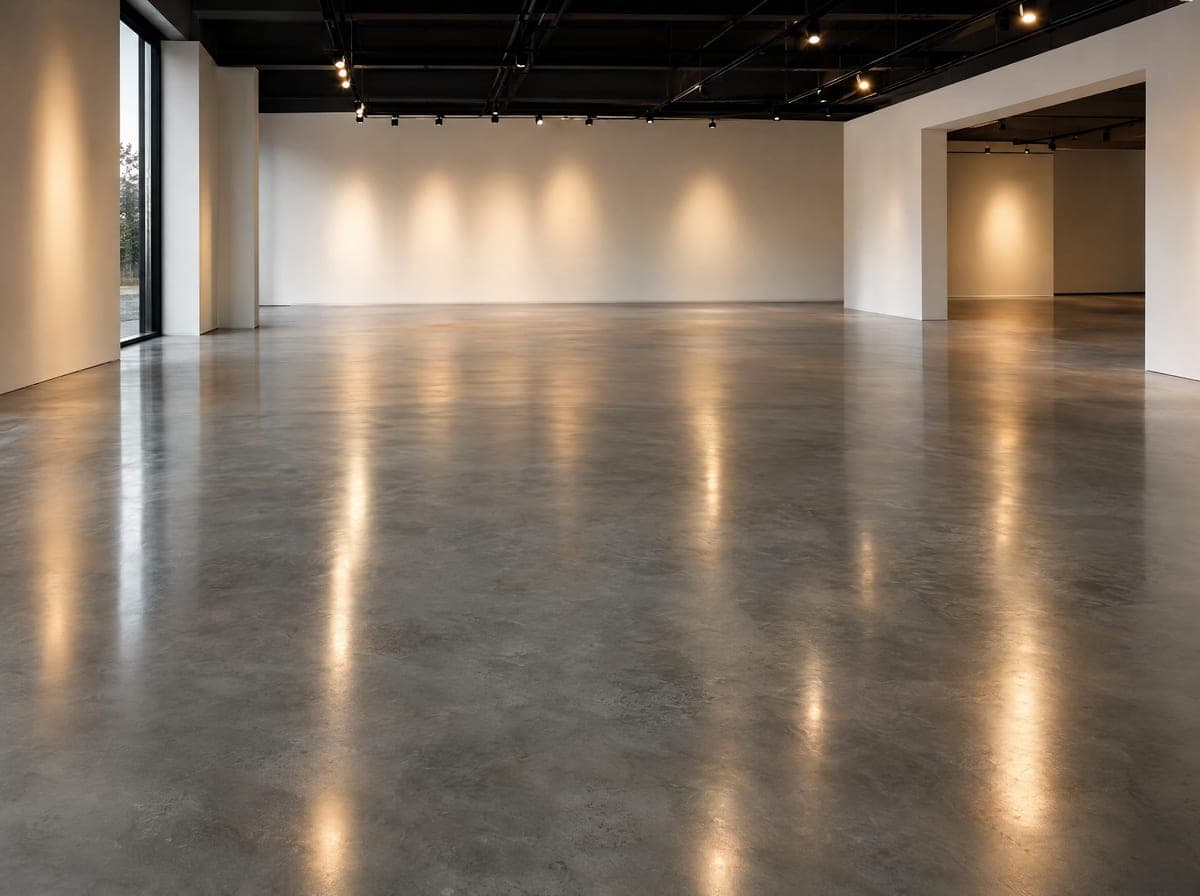
Concrete Polishing
Diamond-ground, densified, and guarded concrete floors from matte to high gloss for modern homes, ADUs, garages, showrooms, retail, and warehouses.
Learn more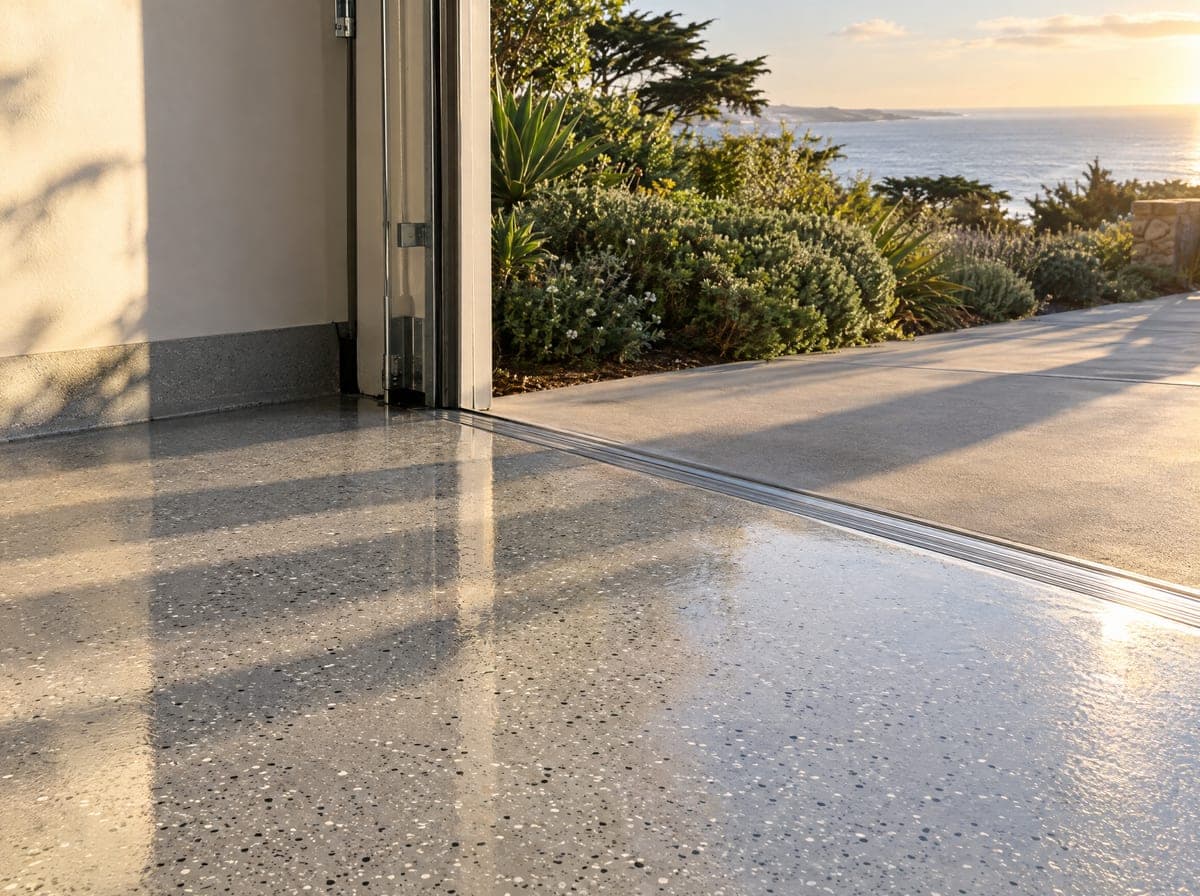
Polyaspartic Coatings
UV-stable, fast-curing polyaspartic topcoats and full systems that hold their color in open, sunlit garages and return to service in a day or two.
Learn more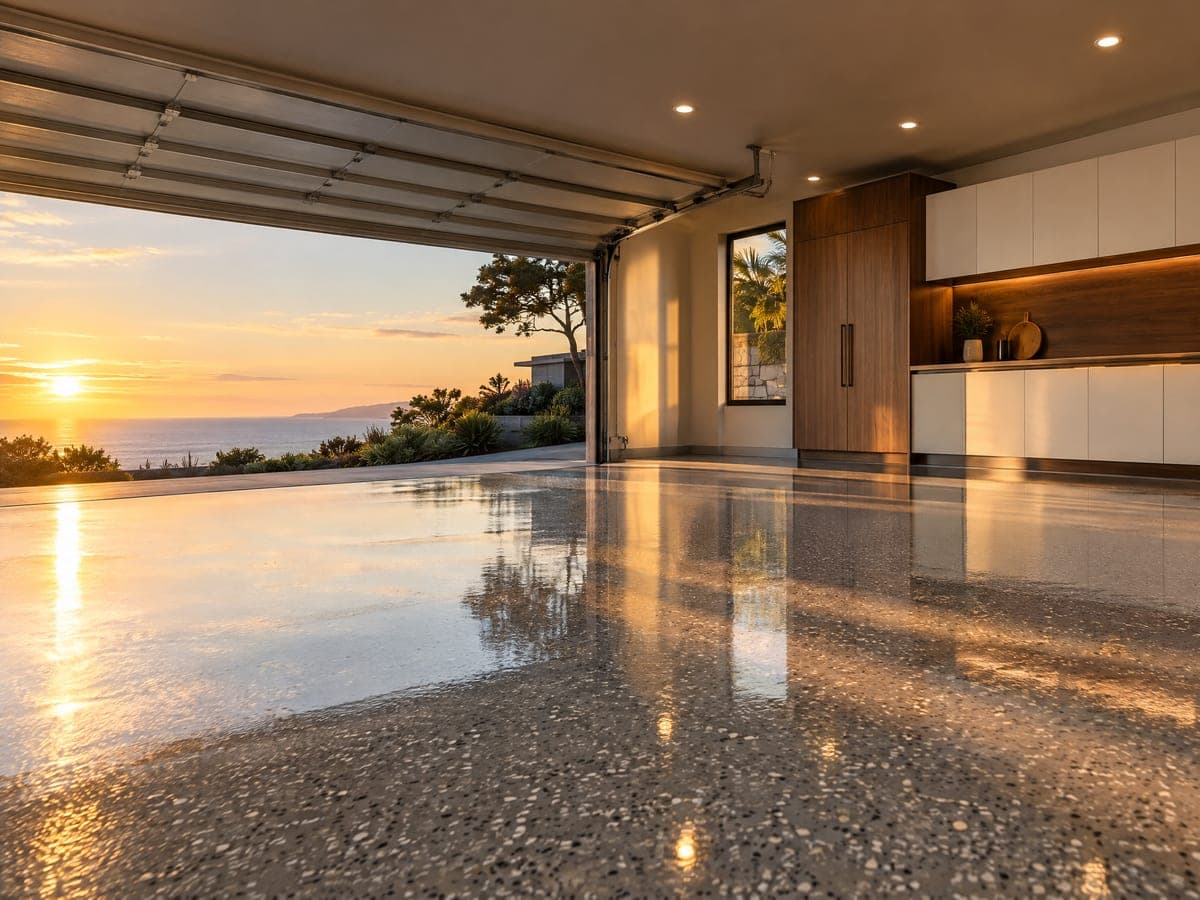
Garage Floor Epoxy
Diamond-ground, multi-layer garage floor systems with flake or metallic finishes and a UV-stable topcoat, built for coastal sun, salt air, and hot tires.
Learn moreCommercial Epoxy Flooring across San Diego
La Jolla
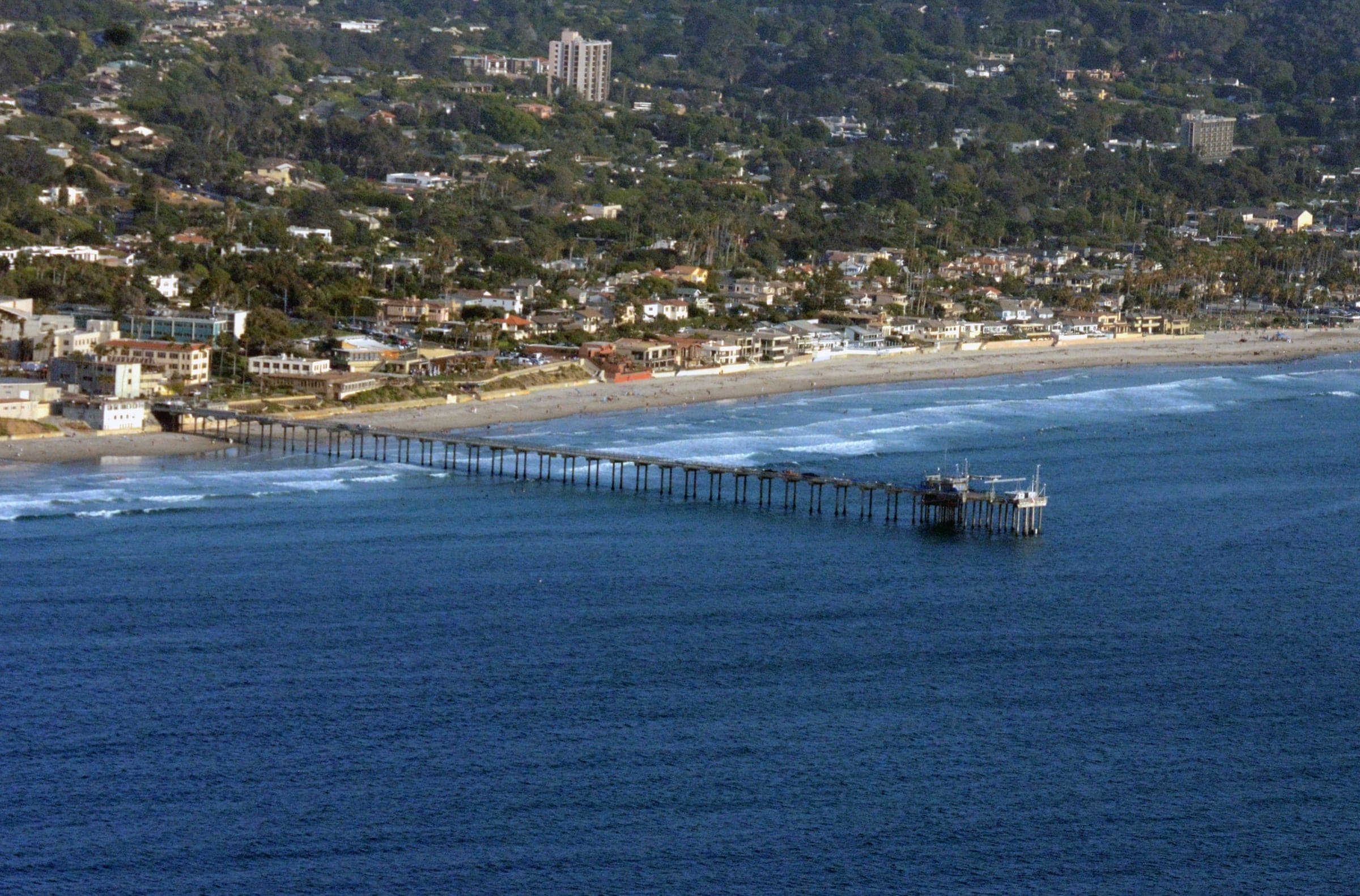
Garage floor epoxy and polyaspartic coatings for La Jolla homes, built for salt air, marine-layer mornings and strong coastal sun, from Bird Rock to La Jolla Farms.
Epoxy floors in La Jolla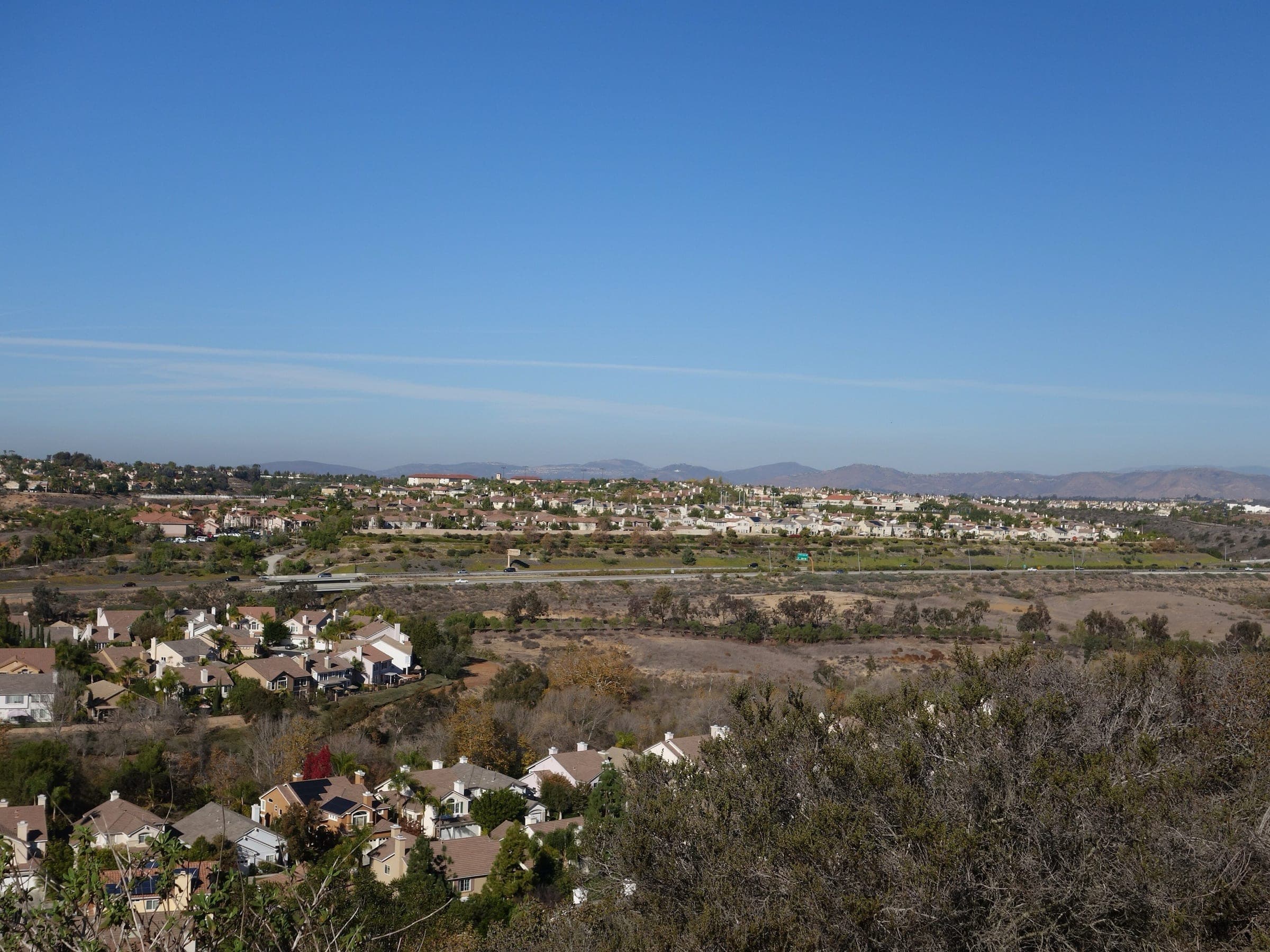
Carmel Valley
Flake and polyaspartic garage coatings for Carmel Valley, Pacific Highlands Ranch and Torrey Hills homes, with full removal of old coatings and HOA submittal support.
Epoxy floors in Carmel Valley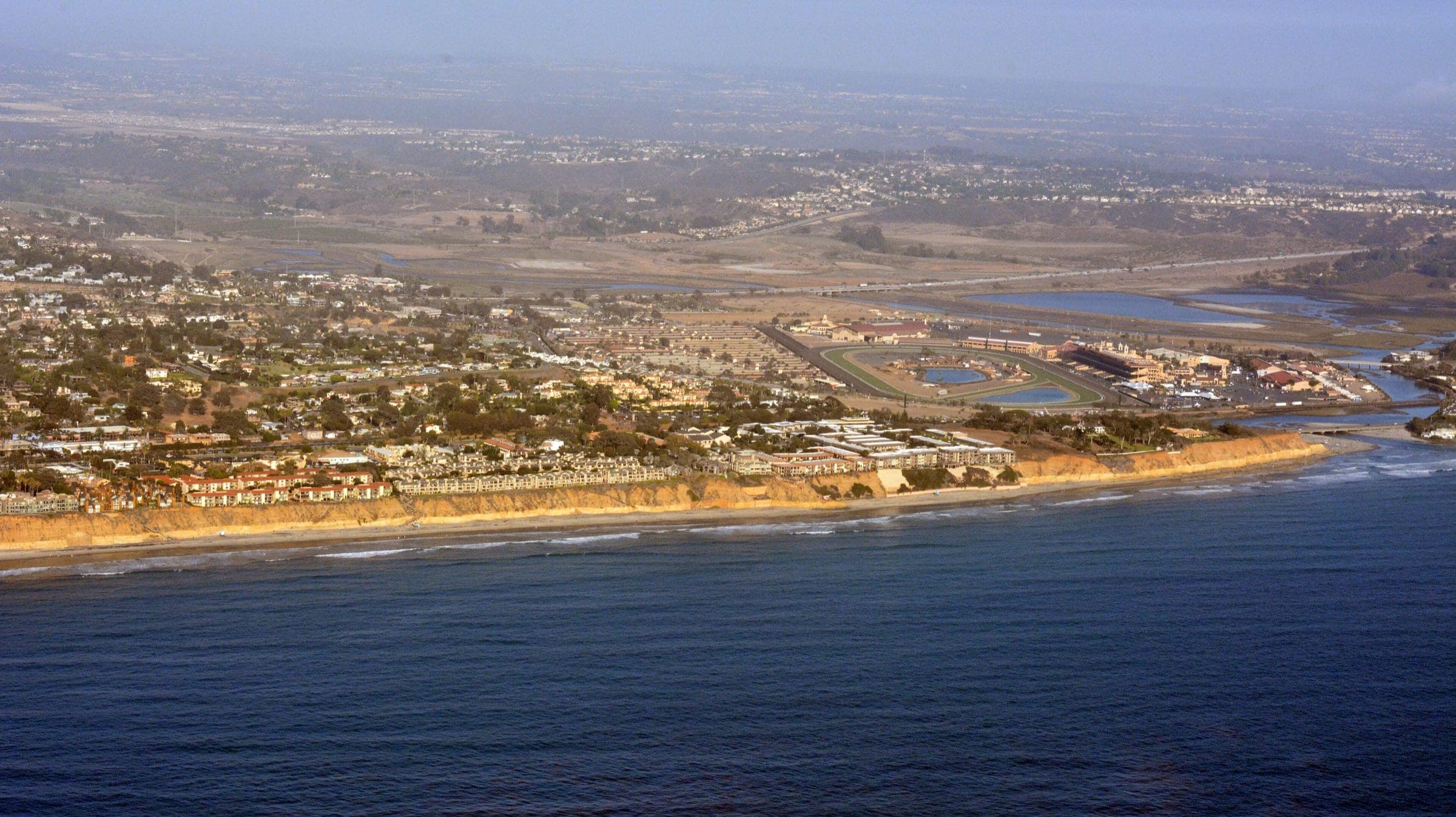
Del Mar
Garage coatings and concrete resurfacing for Del Mar and Solana Beach, with moisture testing for low-lying slabs and UV-stable topcoats for salt air.
Epoxy floors in Del Mar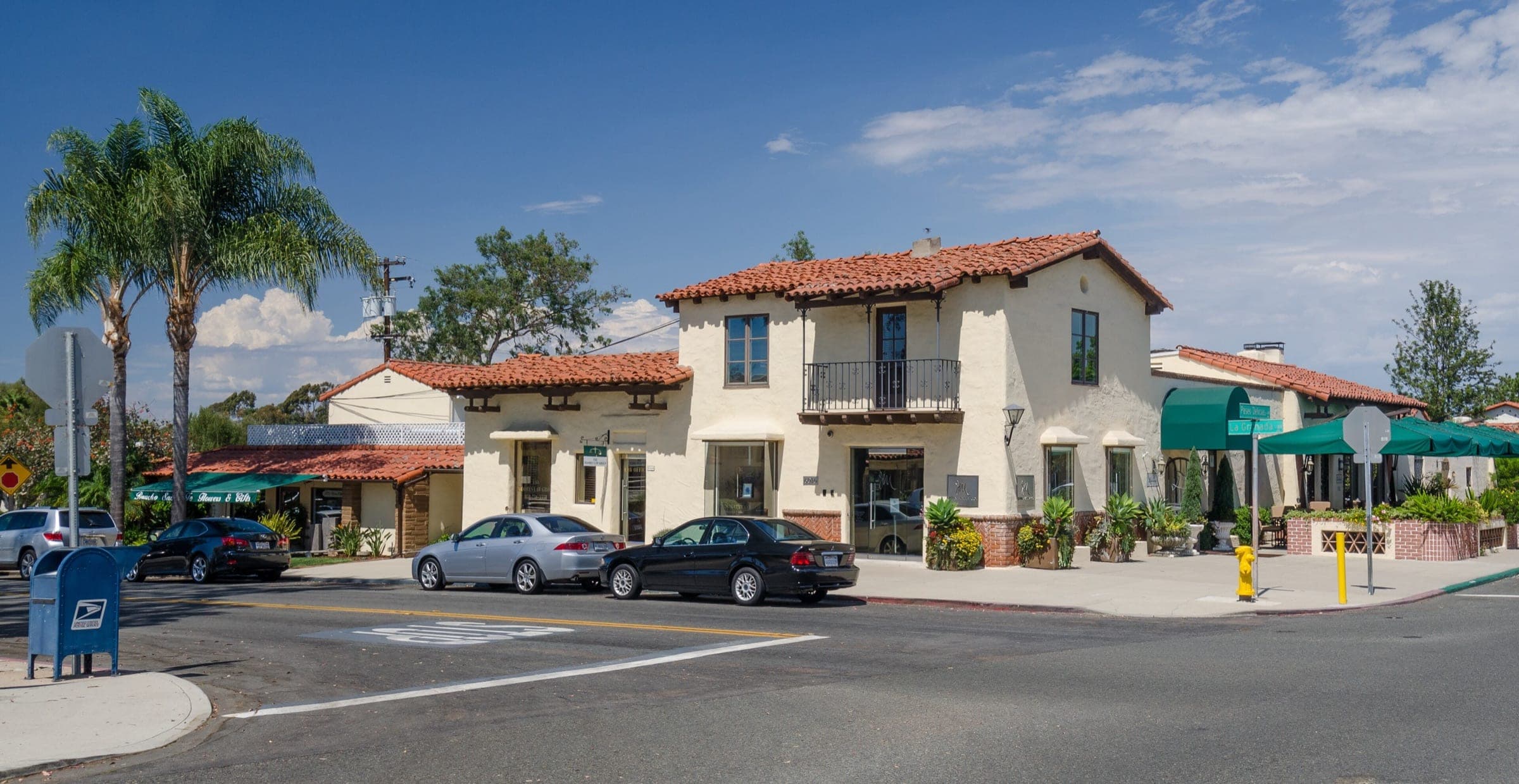
Rancho Santa Fe
Garage floor epoxy, metallic finishes and pool deck resurfacing for Rancho Santa Fe estates, with prep for inland heat and product details for Art Jury review.
Epoxy floors in Rancho Santa Fe
Encinitas
Encinitas garage, patio, and pool deck coatings matched to each community: salty bluff-top air in Leucadia and Cardiff, stronger sun in Olivenhain.
Epoxy floors in Encinitas
Carlsbad
Garage floor systems for La Costa, Aviara, Bressi Ranch, and the Village, plus commercial epoxy and polished concrete for Carlsbad's business parks.
Epoxy floors in Carlsbad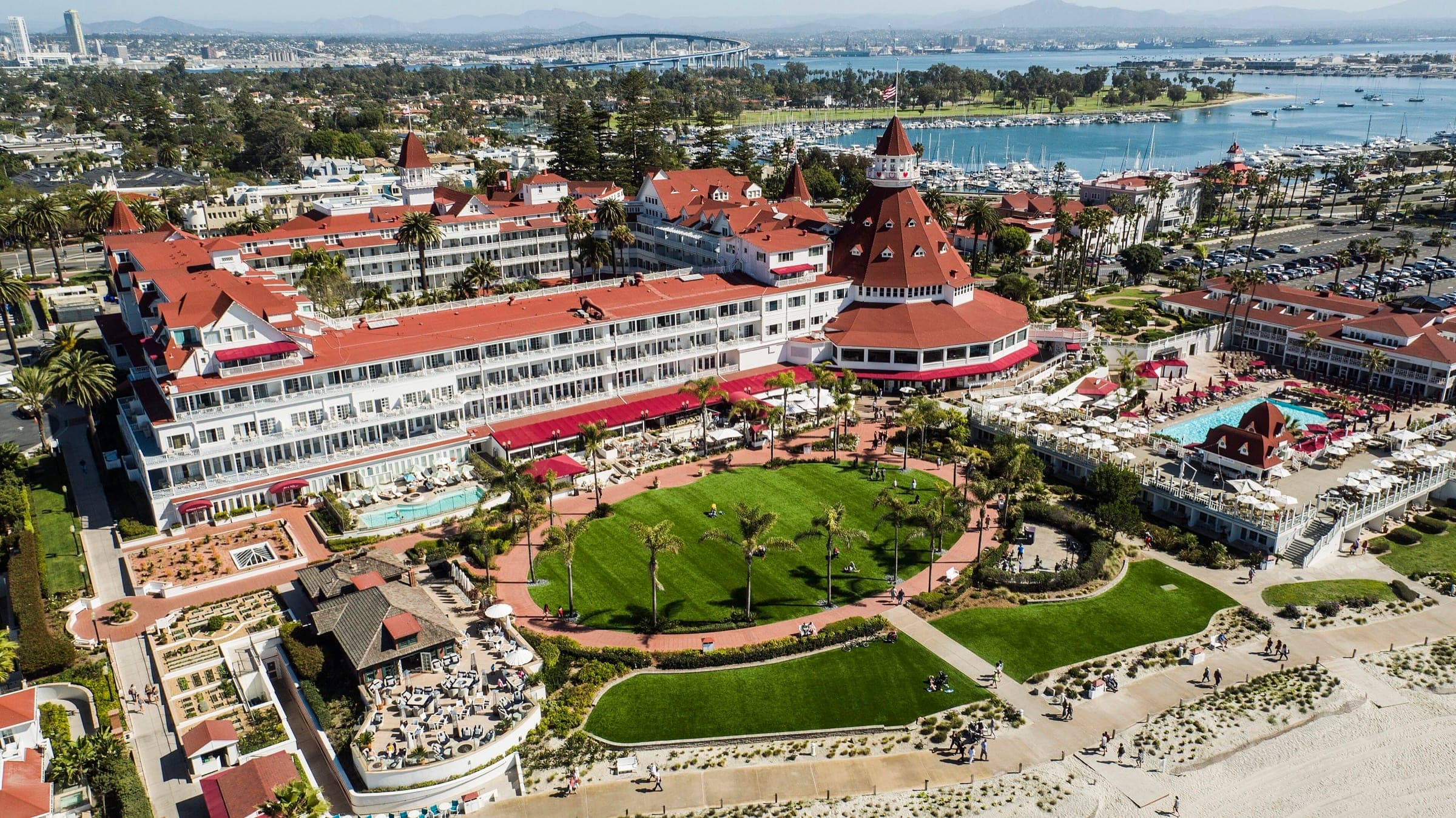
Coronado
UV-stable, moisture-tested floor systems for Coronado's alley garages, bayfront Cays homes, and salt-weathered patios and courtyards.
Epoxy floors in Coronado
Point Loma
Coatings for Point Loma garages, driveways, and patios, from Sunset Cliffs and the Wooded Area to La Playa and Fleetridge, built for salt air and slopes.
Epoxy floors in Point Loma
Get a commercial epoxy flooring estimate
Tell us about the space. We will inspect the slab, test for moisture, and recommend the right system with a written estimate.