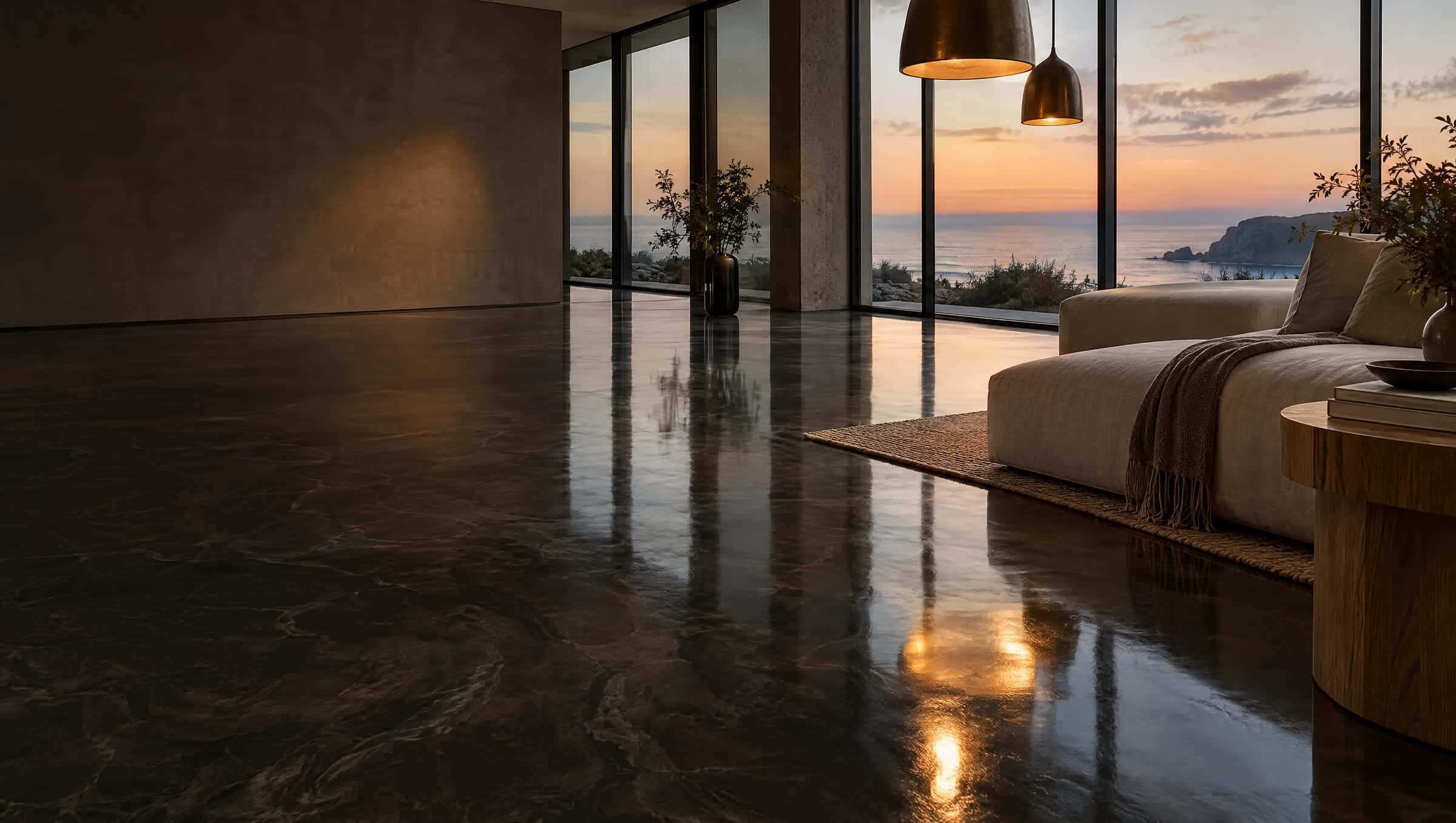
Metallic Epoxy Floors in San Diego
Metallic pigments worked by hand in clear epoxy, for a high-gloss floor with depth and movement no other floor repeats. Suited to interiors, showrooms, studios, and garages with a UV-stable topcoat.
- Free on-site estimateMoisture test included
- Diamond-ground prepBonds into the slab
- UV-stable topcoatsBuilt for coastal sun
- Carlsbad to CoronadoService area
About metallic epoxy floors
A metallic epoxy floor uses fine metallic and pearlescent pigments suspended in epoxy, worked by hand while wet so the color flows, pools, and catches the light. In San Diego we install metallic floors in living spaces, studios, showrooms, wine rooms, and garages, always over a diamond-ground slab and under a clear protective topcoat.
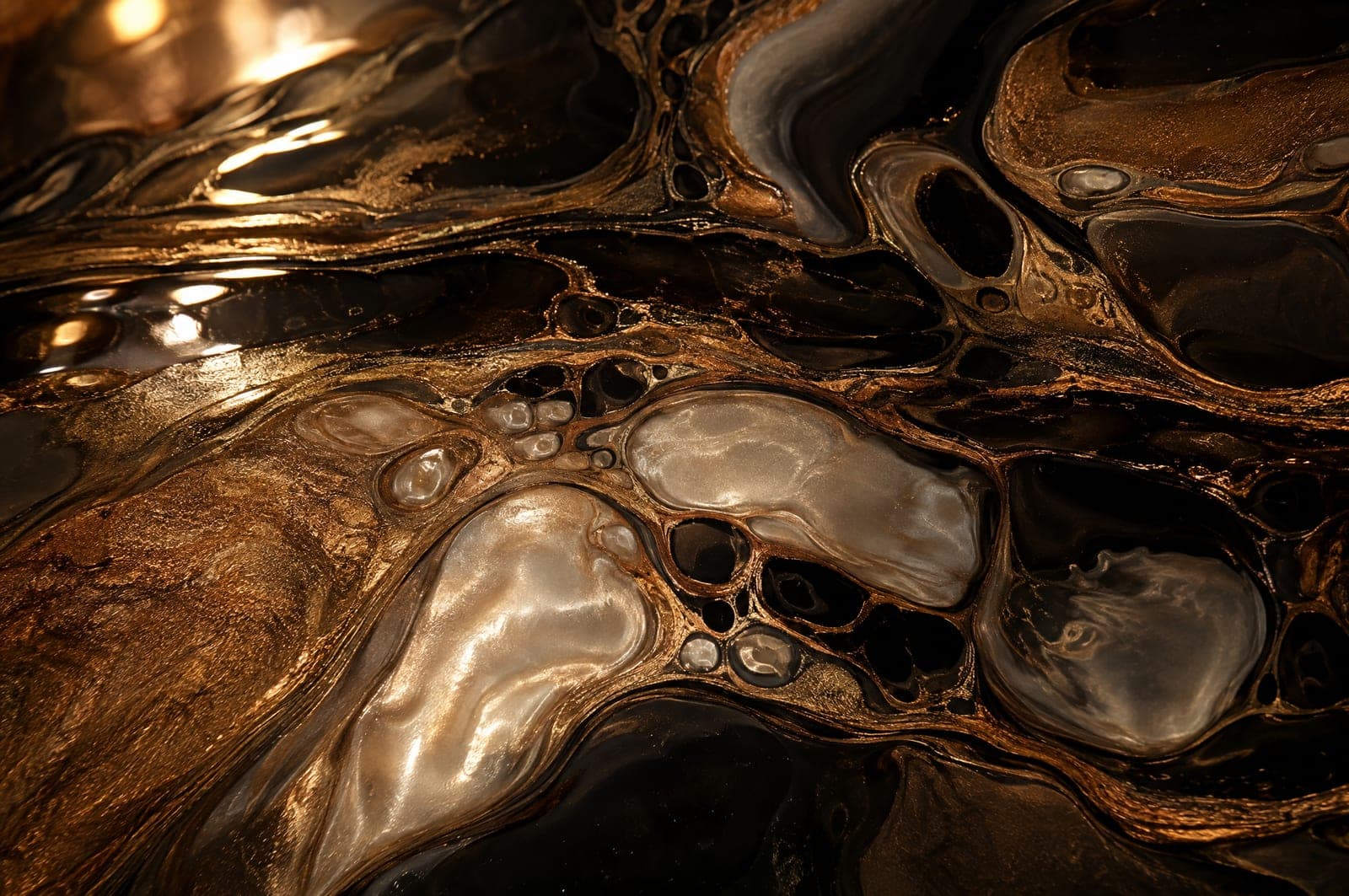
No two metallic floors look the same, and that is the point. The pattern comes from the pigment, the base color underneath, and the installer's tools and timing. It can read like polished stone or liquid metal, with a gloss and depth that flake and polished concrete do not reproduce.
Metallic is also the least forgiving finish we install. The gloss shows dust and scratches, the epoxy needs protection from the sun, and the surface can be slick when wet without an anti-slip additive. We cover each of those plainly below, along with how metallic compares with polished concrete.
Why homeowners and businesses choose it
How metallic pigments create movement
Metallic pigments are flat, reflective particles. As the installer rolls, trowels, and sometimes mists the wet epoxy with solvent, those particles turn and settle at different angles. Some catch the light and some fall into shadow, which creates the veining, cells, and depth that make each floor one of a kind.
Where a metallic epoxy floor works
Interiors are its natural home: living rooms, home offices, studios, and wine rooms out of direct sun. It also suits retail showrooms, salons, and galleries where the floor is part of the brand. A metallic garage works too, with a UV-stable topcoat and the understanding that a glossy floor shows tire marks sooner than flake.
Epoxy flooring for homes, done with care
As epoxy flooring for homes goes, metallic is the statement piece. It is seamless, quick to dust mop, and has no grout lines to stain. It is also hard underfoot and cool to the touch, so area rugs pair well with it in living spaces, while entries, studios, and hallways can stay bare.
When flake is the better choice
If you want a floor that hides everything, metallic is the wrong pick. Its gloss shows dust, footprints, and fine scratches more than flake, and a repair is hard to blend into a one-off pattern. For a busy working garage, flake is the practical choice. Metallic rewards people who want a showpiece and are happy to care for it.
What goes into the system
| Spec | Typical |
|---|---|
| System layers | Diamond-ground slab, epoxy primer, tinted epoxy base color, metallic epoxy coat, clear UV-stable topcoat |
| Typical total thickness | Around 30 to 40 mils across all layers, varying by system |
| Look | Pearlescent veining, cells, and depth; every floor is unique |
| Return to service | Foot traffic typically about 24 hours after the topcoat; furniture and vehicles typically wait several days |
| UV stability | Epoxy layers amber in sun; a UV-stable topcoat slows it, and rooms out of direct sun are ideal |
| Finish and grip | High gloss or satin topcoat; anti-slip additive recommended for entries and wet areas |
Figures are typical ranges. Metallic epoxy is sensitive to temperature during the pour, and cure times stretch in cool rooms, so we confirm the schedule for your space and products in writing.
How we install it
- 01
Inspection and moisture test
We walk the space, measure it, and look closely at the slab: cracks, spalls, old coatings, oil stains and drainage. Then we test for moisture vapor with a calcium chloride test or a relative humidity probe. The results decide the system, the primer and the prep, and they go into your written estimate.
- 02
Diamond grinding and surface prep
We grind the concrete with diamond tooling and dust collection to a consistent profile, typically CSP 2 to 3, about the feel of medium sandpaper. Grinding removes weak surface paste, old sealers and contamination, so the base coat bonds into the slab instead of sitting on top of it.
- 03
Crack and spall repair
Cracks, chips, spalls and pitting are filled with a polyurea or epoxy repair material and ground flush with the floor. Control joints are cleaned out and either filled or kept open, depending on the system. Repairs stop defects from showing through the finish and remove weak points where a coating could lift.
- 04
Base coat and broadcast
The base coat goes down: 100% solids epoxy, polyurea, or a moisture-mitigating primer where testing called for one. Flake floors get color chips broadcast to full coverage. Metallic floors get pigments worked by hand. Commercial floors may get a quartz broadcast. Loose material is scraped and vacuumed once the base cures.
- 05
UV-stable topcoat, cure and return to service
A clear polyaspartic or polyurea topcoat seals the floor, sets the sheen and resists UV yellowing, with slip-resistant texture available. Foot traffic typically returns within about 24 hours. Vehicles typically wait 24 to 48 hours on polyaspartic systems and 3 to 7 days on epoxy, depending on product and temperature.
- Metallic needs a flatter, cleaner slab than flake. We grind off old adhesive, thinset, or paint completely and fill pits and cracks, because a glossy surface shows any ridge or patch beneath it.
- We agree on base color, pigment colors, and how bold the movement should be before the pour, using sample boards as references. The finished floor will differ from any sample, by design.
- The metallic coat is poured and worked in one continuous session per area, so the room stays closed to foot traffic, dust, and drafts until it sets.
Built for coastal sun, salt air, and moisture
Sun through big windows and open doors
Coastal homes from La Jolla to Del Mar tend to open up to the light, and sliders or west-facing glass can put direct sun on a floor for hours. Epoxy ambers under UV, and silvers and whites show it first. We use a UV-stable topcoat, and for rooms that take hard afternoon sun we may suggest window film, rugs, or a different finish.
Moisture and old flooring under living spaces
Metallic floors often go into rooms that had carpet, tile, or wood. The slab under them has rarely been tested, and it may carry old adhesive and moisture vapor. We grind to clean concrete, test with a calcium chloride kit or RH probe, and use a moisture-mitigating primer if needed, because a blister in a glossy floor has nowhere to hide.
Inland heat and pour timing
Epoxy sets faster in heat. On a hot summer day in Poway or Rancho Santa Fe, working time shrinks quickly, and a metallic pattern needs every minute of it. We schedule pours for cooler hours, keep the room shaded and still, and size each section so the movement is finished before the epoxy starts to set.
Metallic epoxy vs polished concrete
| Metallic epoxy | Polished concrete | |
|---|---|---|
| Look | Flowing, pearlescent color in almost any palette | Natural concrete tones, from cream to exposed aggregate |
| Existing stains and patches | Covered by a new surface | Stay visible as part of the character |
| Gloss | Deep, wet-look gloss or satin | Matte to high gloss, set by the grind sequence |
| Scratch resistance | Topcoat can scratch; can be recoated | Very hard; resists scratching and can be re-polished |
| Slab moisture | Needs a dry slab or a mitigating primer | No coating film to blister or peel |
| Slip when wet | Slick without an anti-slip additive | Can also be slick when wet or dusty |
| Upkeep | Dust mop, neutral cleaner, periodic topcoat refresh | Dust mop, neutral cleaner, periodic re-burnish and guard |
What metallic epoxy floors costs in San Diego
A metallic floor typically costs more than a flake system: it uses more material, takes more skilled hand work, and needs a cleaner, flatter slab. The final number depends heavily on prep and room layout, so our cost guide covers the factors, and we price each floor after seeing the slab.
Metallic Epoxy Floors questions
Compare other floor systems
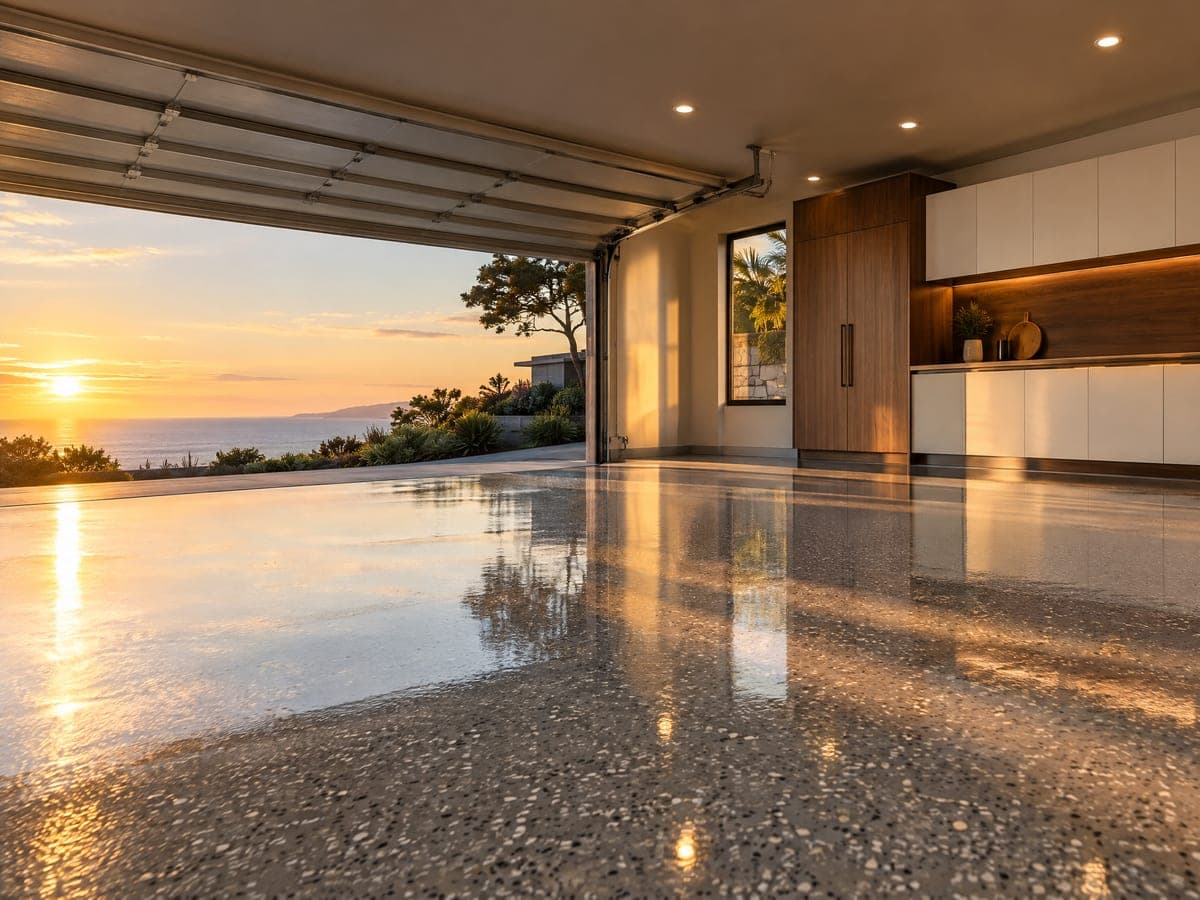
Garage Floor Epoxy
Diamond-ground, multi-layer garage floor systems with flake or metallic finishes and a UV-stable topcoat, built for coastal sun, salt air, and hot tires.
Learn more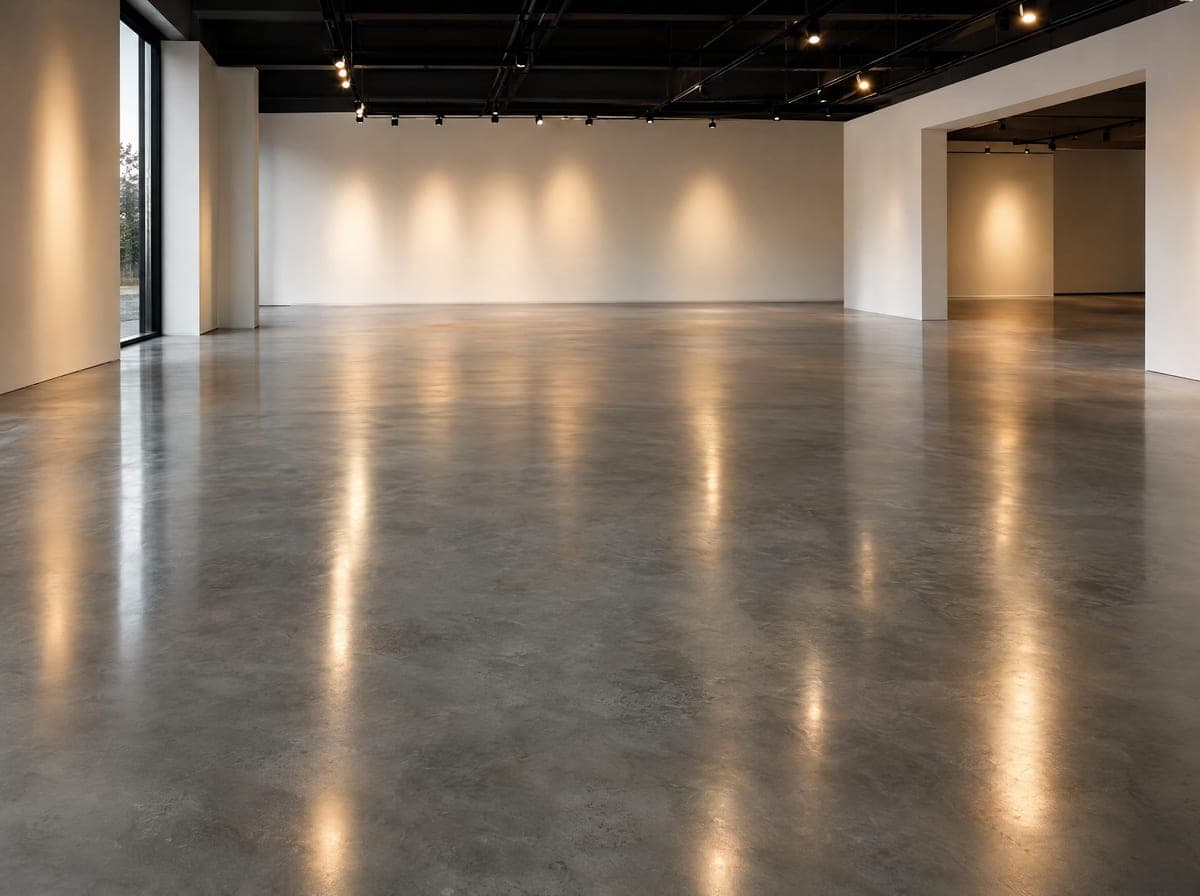
Concrete Polishing
Diamond-ground, densified, and guarded concrete floors from matte to high gloss for modern homes, ADUs, garages, showrooms, retail, and warehouses.
Learn more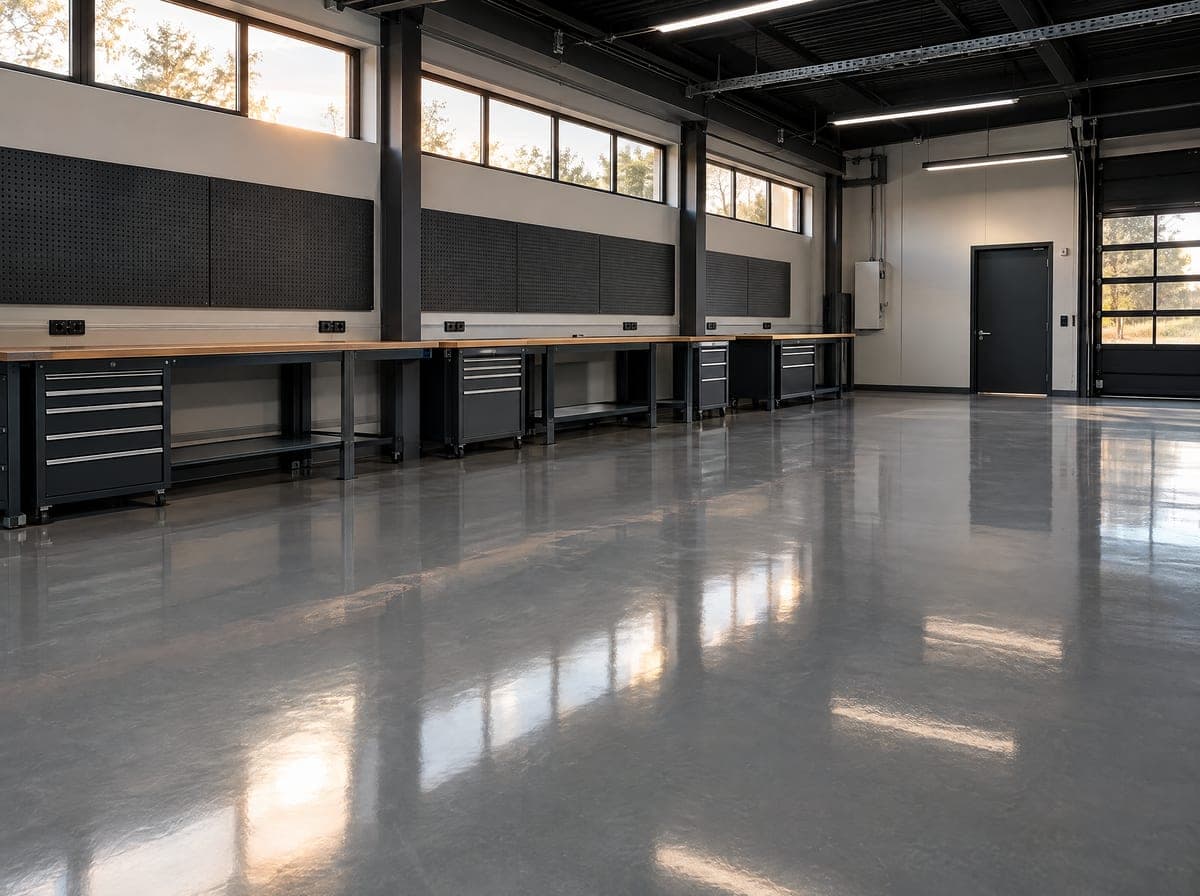
Commercial Epoxy Flooring
Epoxy, quartz, and urethane cement floor systems for warehouses, showrooms, retail, kitchens, breweries, and labs, chosen for traffic, chemicals, and cleaning.
Learn moreMetallic Epoxy Floors across San Diego
La Jolla
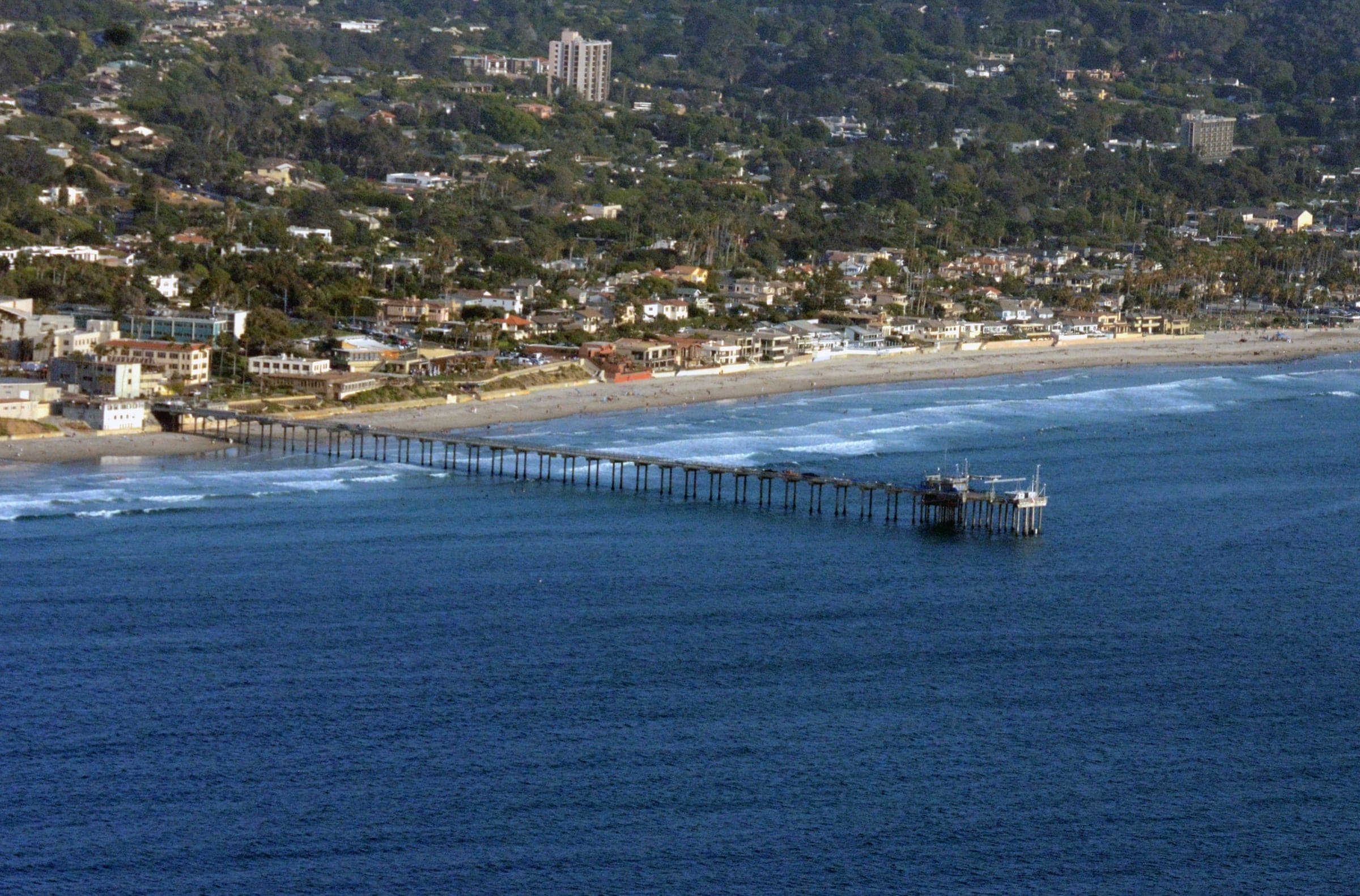
Garage floor epoxy and polyaspartic coatings for La Jolla homes, built for salt air, marine-layer mornings and strong coastal sun, from Bird Rock to La Jolla Farms.
Epoxy floors in La Jolla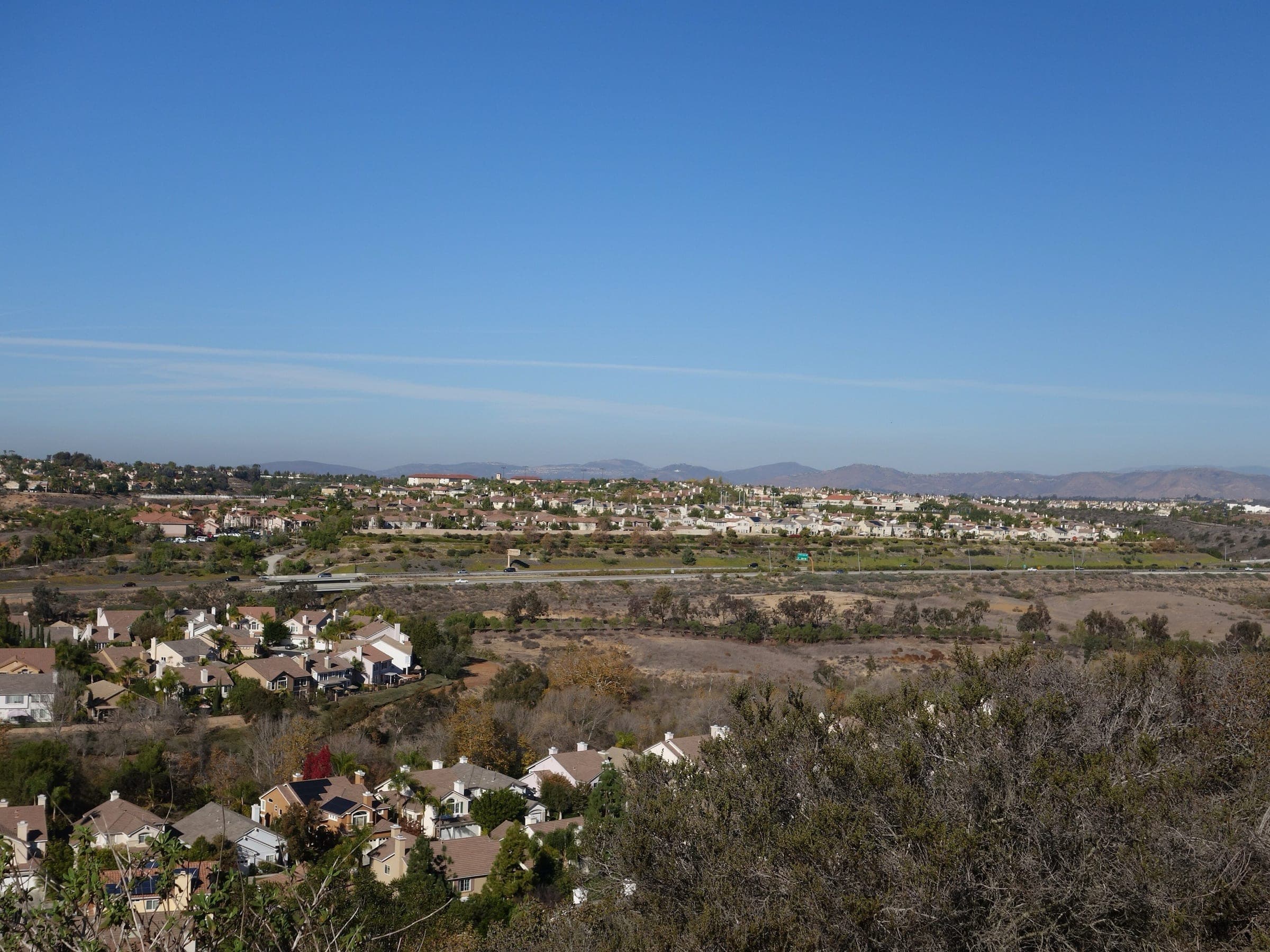
Carmel Valley
Flake and polyaspartic garage coatings for Carmel Valley, Pacific Highlands Ranch and Torrey Hills homes, with full removal of old coatings and HOA submittal support.
Epoxy floors in Carmel Valley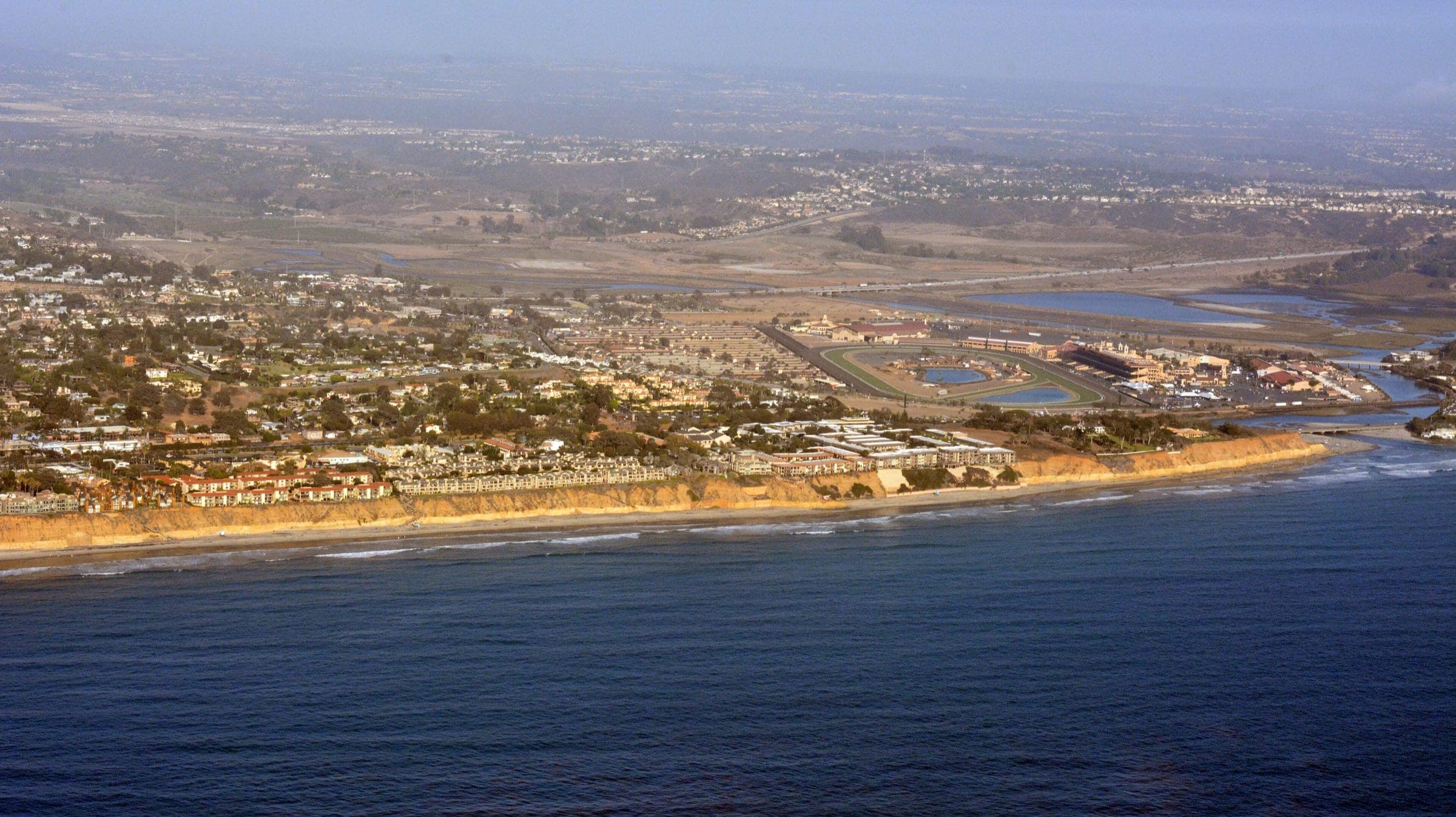
Del Mar
Garage coatings and concrete resurfacing for Del Mar and Solana Beach, with moisture testing for low-lying slabs and UV-stable topcoats for salt air.
Epoxy floors in Del Mar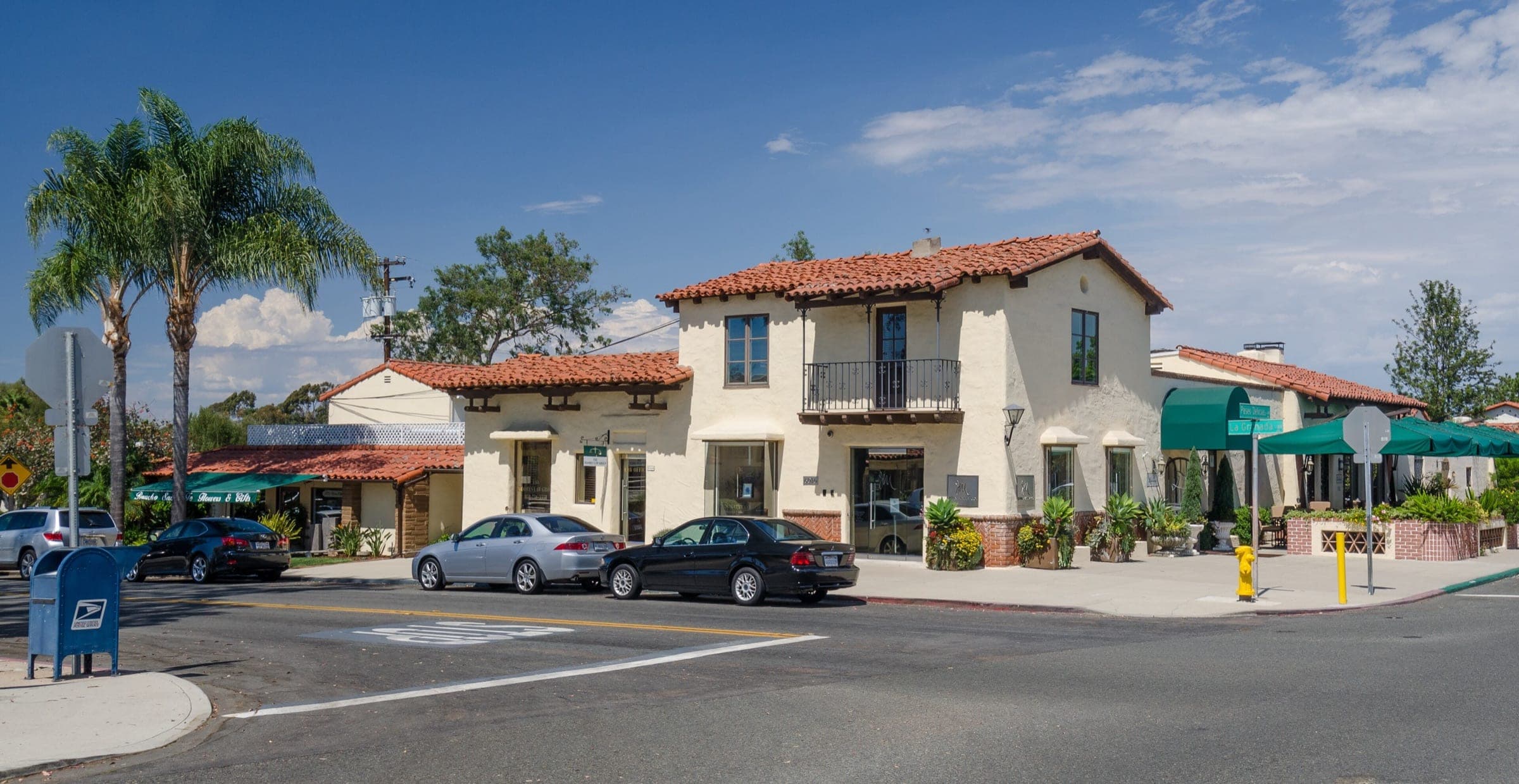
Rancho Santa Fe
Garage floor epoxy, metallic finishes and pool deck resurfacing for Rancho Santa Fe estates, with prep for inland heat and product details for Art Jury review.
Epoxy floors in Rancho Santa Fe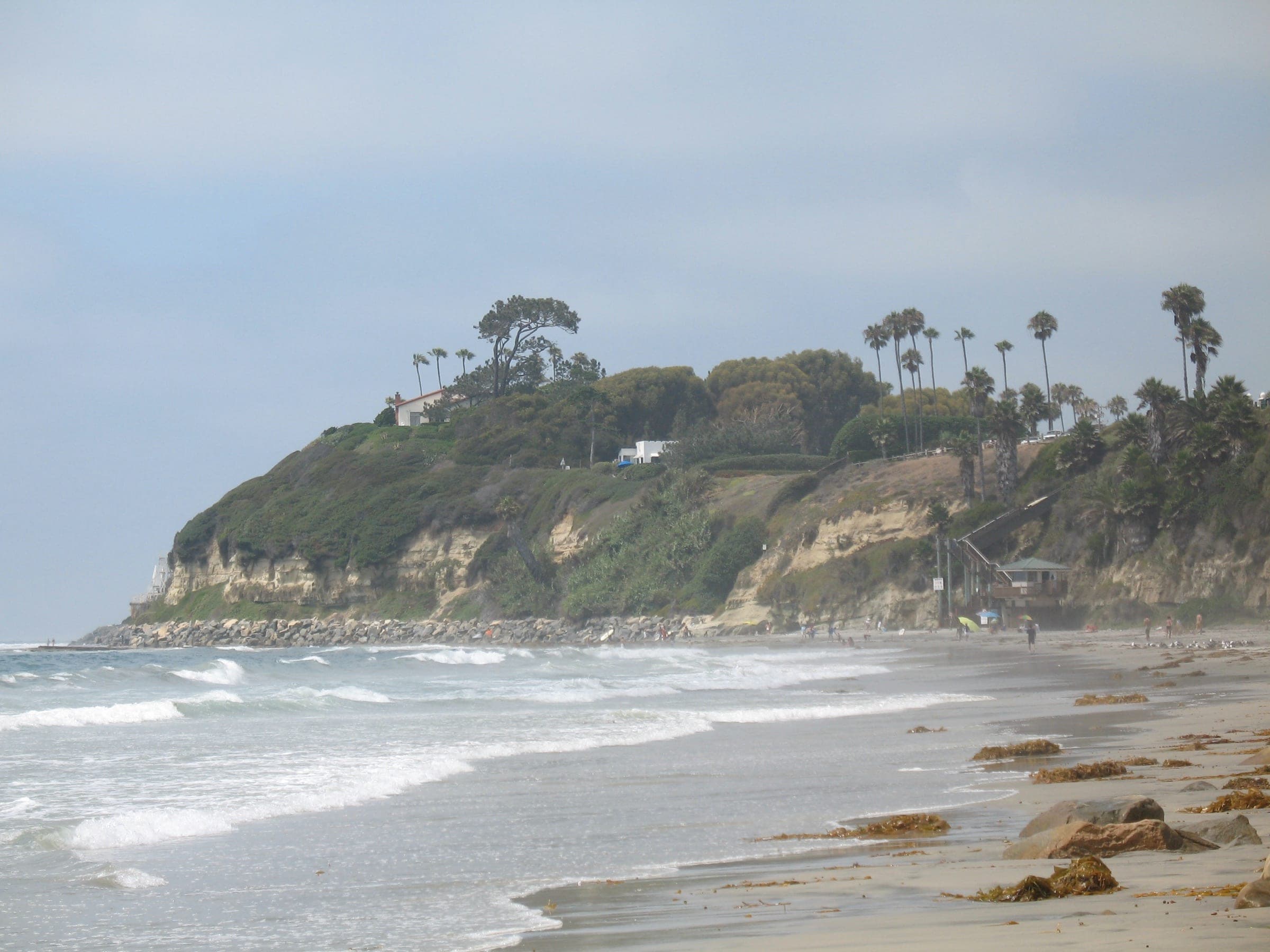
Encinitas
Encinitas garage, patio, and pool deck coatings matched to each community: salty bluff-top air in Leucadia and Cardiff, stronger sun in Olivenhain.
Epoxy floors in Encinitas
Carlsbad
Garage floor systems for La Costa, Aviara, Bressi Ranch, and the Village, plus commercial epoxy and polished concrete for Carlsbad's business parks.
Epoxy floors in Carlsbad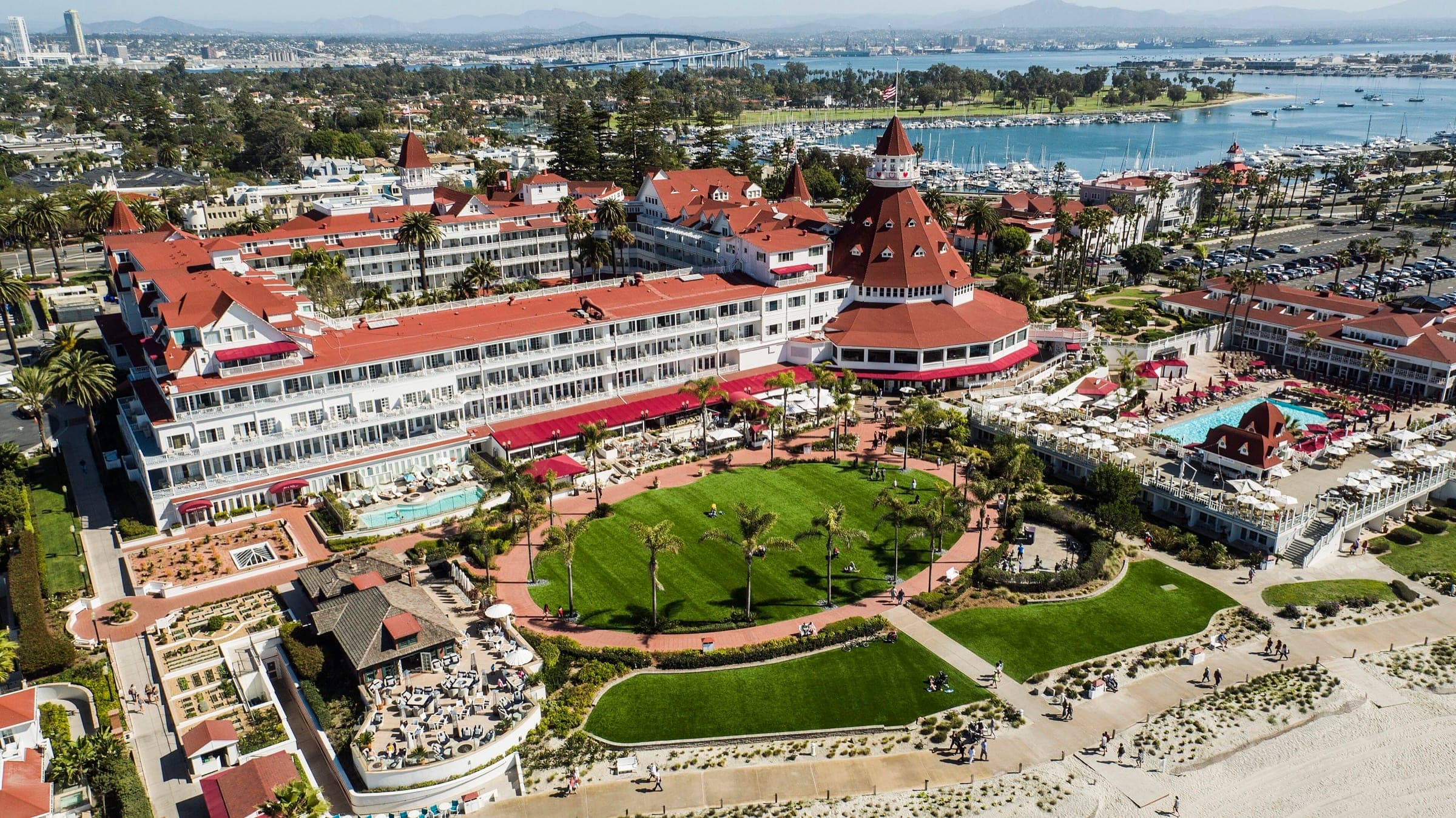
Coronado
UV-stable, moisture-tested floor systems for Coronado's alley garages, bayfront Cays homes, and salt-weathered patios and courtyards.
Epoxy floors in Coronado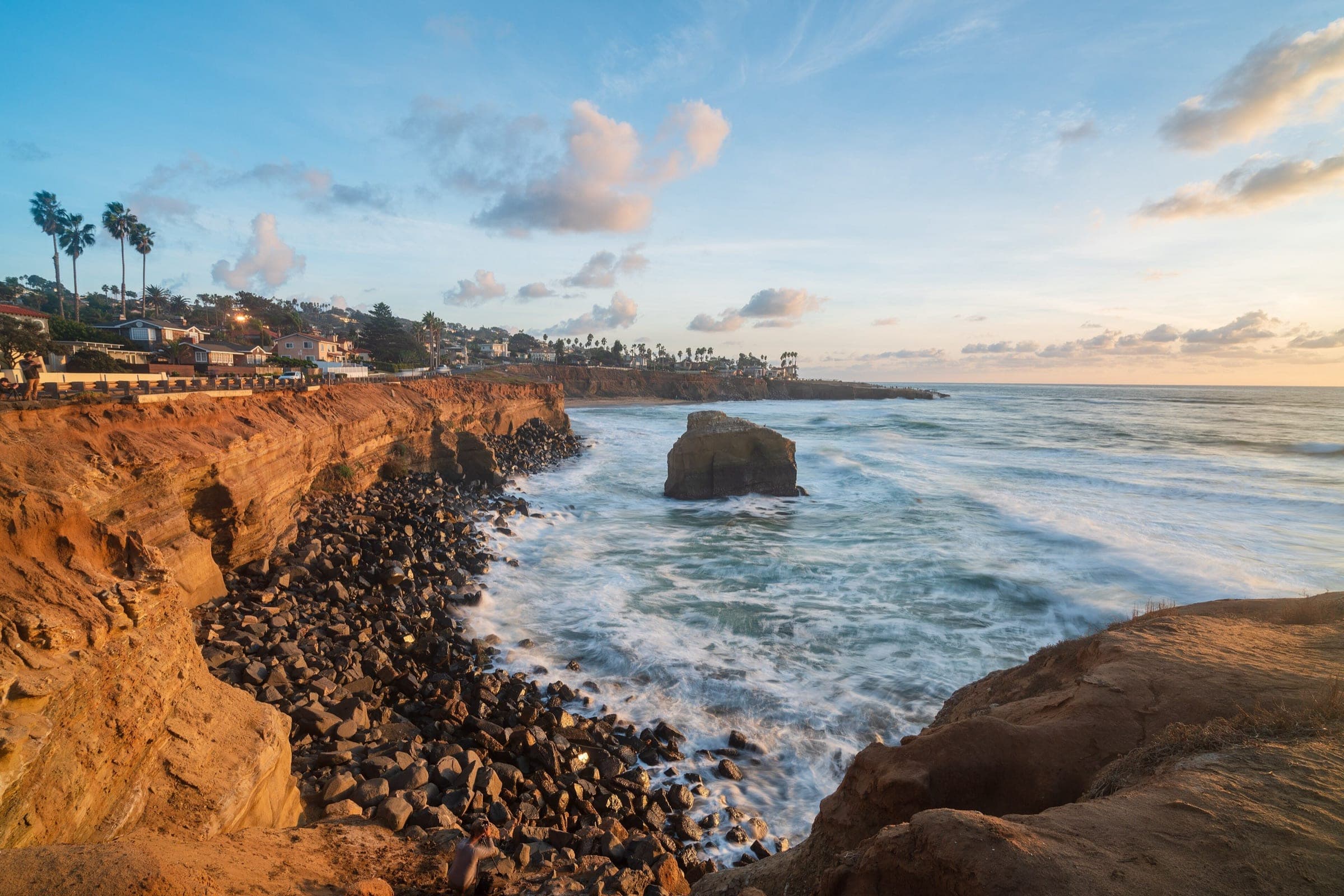
Point Loma
Coatings for Point Loma garages, driveways, and patios, from Sunset Cliffs and the Wooded Area to La Playa and Fleetridge, built for salt air and slopes.
Epoxy floors in Point Loma
Get a metallic epoxy floors estimate
Tell us about the space. We will inspect the slab, test for moisture, and recommend the right system with a written estimate.