Concrete Resurfacing in San Diego
We renew worn, stained, and pitted concrete with bonded cement overlays, textured finishes, and sealers, so a sound slab gets a new surface without the cost and mess of tearing it out.
- Free on-site estimateMoisture test included
- Diamond-ground prepBonds into the slab
- UV-stable topcoatsBuilt for coastal sun
- Carlsbad to CoronadoService area
About concrete resurfacing
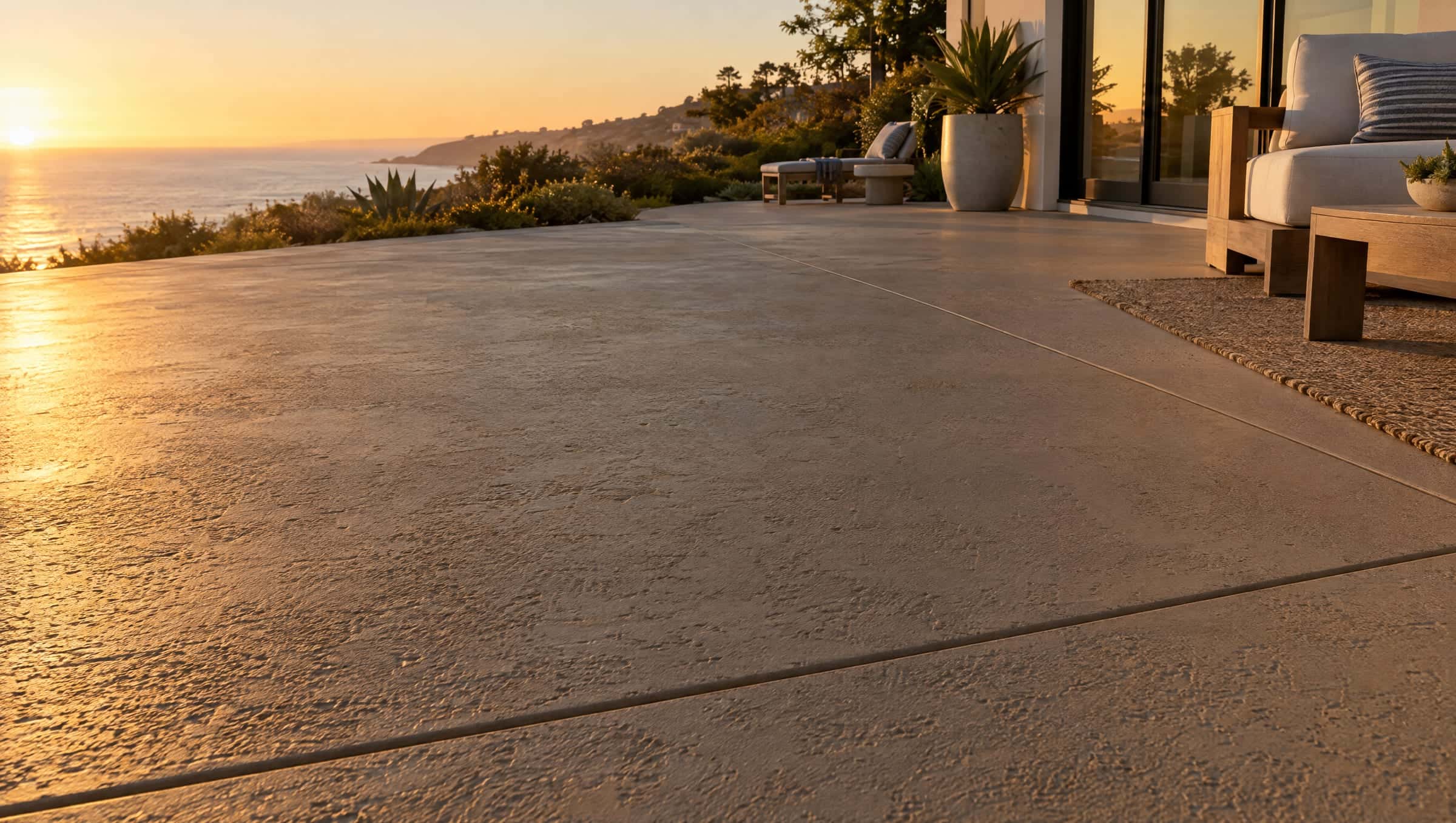
Concrete resurfacing in San Diego is usually the smarter fix for a patio, driveway, walkway, or garage slab that is structurally sound but tired on the surface. We bond a thin polymer-modified cement layer to the existing concrete, then texture, color, and seal it. The result is a new wearing surface without demolition, hauling, or a fresh pour.
Resurfacing is not a cure for every slab. Heaving, settling, and cracks that keep moving are structural problems, and a thin overlay will not hide them for long. So we start by reading the slab: where it has cracked, whether those cracks are still active, how the surface is failing, and what moisture is coming up from below.
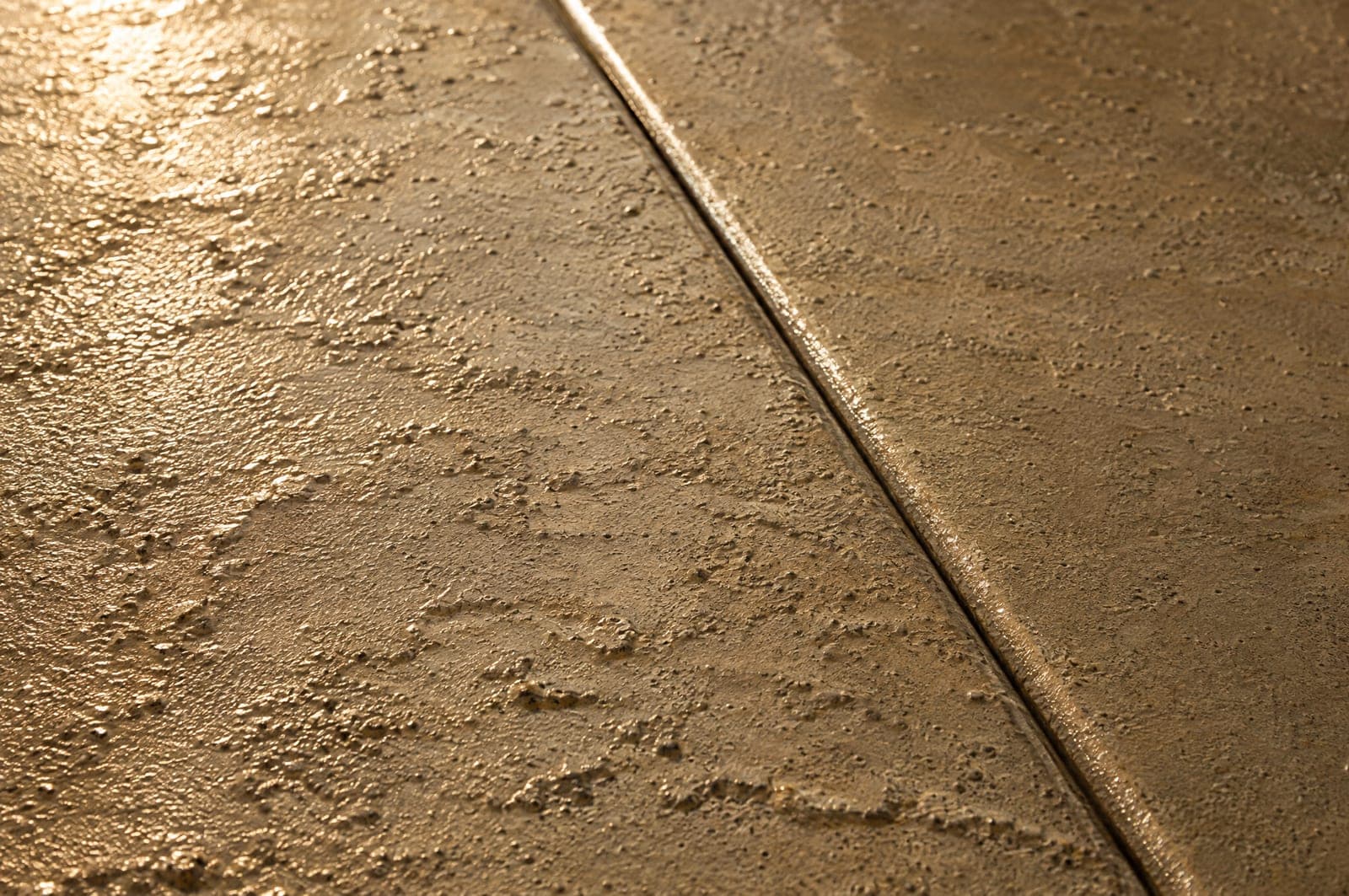
From there we recommend one of three paths: a smooth micro-topping, a spray-down knockdown texture for patios and pool decks, or a thicker overlay where the surface needs rebuilding. Each one is finished with a sealer or concrete coating matched to sun, salt air, and traffic.
Why homeowners and businesses choose it
A new surface on the slab you already have
Polymer-modified cement overlays bond to clean, profiled concrete and give it a fresh top layer. There is no jackhammering, no dumpster, and no waiting on a new pour to cure. Steps, edges, and landscaping stay where they are, and most jobs typically wrap up in days rather than weeks.
Concrete resurfacing for San Diego patios and driveways
Patios take sun, bare feet, and furniture. Driveways take tires, oil drips, and dropped tools. Patio resurfacing usually means a knockdown texture that adds grip around outdoor living space, while driveway resurfacing calls for a tighter, harder-wearing surface and a sealer suited to tires. Pitted garage slabs can be rebuilt first, then coated.
Decorative options beyond plain gray
Overlays take integral color, stains, and tints, so a patchy gray slab can become warm sand, a cool stone tone, or a two-tone field with a contrasting border. Hand-cut scoring creates large-format grids or a clean perimeter band. Textures range from smooth trowel to light broom to a classic knockdown.
Repair and sealing in one scope
Cracks are routed and filled, spalls are patched, and old sealer or paint is removed before any overlay goes down. The finished surface is then sealed, which slows staining, limits water and salt intrusion, and keeps color from washing out. Resealing every few years keeps it that way.
What goes into the system
| Spec | Typical |
|---|---|
| Systems | Polymer-modified cement overlays, micro-toppings, and spray-down knockdown textures, finished with a sealer |
| Typical thickness | Micro-toppings from a feather edge to about 1/8 inch; spray-down textures about 1/8 inch; thicker overlays where the surface needs rebuilding |
| Surface prep | Pressure wash, mechanical profiling to remove old sealer and weak surface paste, crack and spall repair |
| Return to service | Foot traffic typically after about 24 hours; vehicles typically after several days, depending on product and weather |
| Finish options | Smooth trowel, light broom, or knockdown texture; integral color, stains, and tints; hand-cut scoring and borders |
| Sealer and UV | Exterior-rated sealer chosen for UV exposure and traffic, typically renewed every few years |
| Suited to | Structurally sound patios, driveways, walkways, entries, and garage slabs |
Thickness and cure times vary by product, temperature, and humidity. We confirm both against the manufacturer's data for the system we specify after seeing your slab.
How we install it
- 01
Inspection and moisture test
We walk the space, measure it, and look closely at the slab: cracks, spalls, old coatings, oil stains and drainage. Then we test for moisture vapor with a calcium chloride test or a relative humidity probe. The results decide the system, the primer and the prep, and they go into your written estimate.
- 02
Diamond grinding and surface prep
We grind the concrete with diamond tooling and dust collection to a consistent profile, typically CSP 2 to 3, about the feel of medium sandpaper. Grinding removes weak surface paste, old sealers and contamination, so the base coat bonds into the slab instead of sitting on top of it.
- 03
Crack and spall repair
Cracks, chips, spalls and pitting are filled with a polyurea or epoxy repair material and ground flush with the floor. Control joints are cleaned out and either filled or kept open, depending on the system. Repairs stop defects from showing through the finish and remove weak points where a coating could lift.
- 04
Base coat and broadcast
The base coat goes down: 100% solids epoxy, polyurea, or a moisture-mitigating primer where testing called for one. Flake floors get color chips broadcast to full coverage. Metallic floors get pigments worked by hand. Commercial floors may get a quartz broadcast. Loose material is scraped and vacuumed once the base cures.
- 05
UV-stable topcoat, cure and return to service
A clear polyaspartic or polyurea topcoat seals the floor, sets the sheen and resists UV yellowing, with slip-resistant texture available. Foot traffic typically returns within about 24 hours. Vehicles typically wait 24 to 48 hours on polyaspartic systems and 3 to 7 days on epoxy, depending on product and temperature.
- On resurfacing work, the coating steps become overlay steps: after prep and repairs, we apply a bond coat, then the overlay or texture coat, then color and sealer. Exterior slabs are cleaned and mechanically profiled rather than acid etched, so the overlay grips sound concrete.
- We mark existing control joints before the overlay goes down and cut or honor them afterward. A joint buried under an overlay tends to crack right back through it.
- Active cracks are discussed up front. We fill and treat them, but a crack that is still moving can reflect through any thin overlay, and we would rather say so before the work than after.
Built for coastal sun, salt air, and moisture
Salt air and efflorescence near the coast
Within a few miles of the ocean, airborne salt and damp marine-layer mornings work on concrete. Efflorescence, the white crust left when moisture carries salts to the surface, is common on coastal patios and walls. It has to be cleaned off and its moisture source understood before resurfacing, or it can weaken the bond. A breathable, exterior-rated sealer then helps slow its return.
Sun-baked patios and inland heat
San Diego's UV is strong all year, and inland yards in Poway, Rancho Santa Fe, and Carmel Valley run hotter and drier than the coast. Unprotected color fades and dark surfaces get hot underfoot. We lean toward lighter, UV-stable colors and sealers rated for exterior exposure, and we schedule application for the cooler part of the day so the overlay does not dry too fast.
Planning around the rainy months
Most of San Diego's rain falls in the cooler months, which is also when many homeowners notice a slick, stained, or crumbling patio. Overlays and sealers need a dry slab and a dry forecast, so winter work is scheduled around storms. Booking the site visit early in the season leaves the most room to work between them.
Concrete resurfacing vs. tear-out and replacement
| Resurfacing | Tear-out and replacement | |
|---|---|---|
| Suited to | Sound slabs with surface wear, stains, pitting, or hairline cracks | Heaving, settling, broken, or badly uneven slabs |
| Demolition | None; the existing slab stays in place | Breakout, hauling, then new base and forms |
| Typical timeline | Usually a few days, including cure before light use | Longer; new concrete typically needs weeks to reach full strength |
| Finish | Color, texture, scoring, and borders built into the overlay | Plain broom finish unless decorative work is added |
| Cracks | Repaired, but active cracks can reflect through | New slab and new joints; future cracking still possible |
| Cost | Generally lower, since the slab and base stay | Generally higher, driven by demolition and new material |
What concrete resurfacing costs in San Diego
Resurfacing cost depends on square footage, how much crack and spall repair the slab needs, the system (micro-topping, knockdown, or thicker overlay), and decorative work like color and scoring. Our cost guide explains how typical San Diego pricing works, and we quote resurfacing after seeing the slab in person.
Concrete Resurfacing questions
Compare other floor systems
Pool Deck Resurfacing
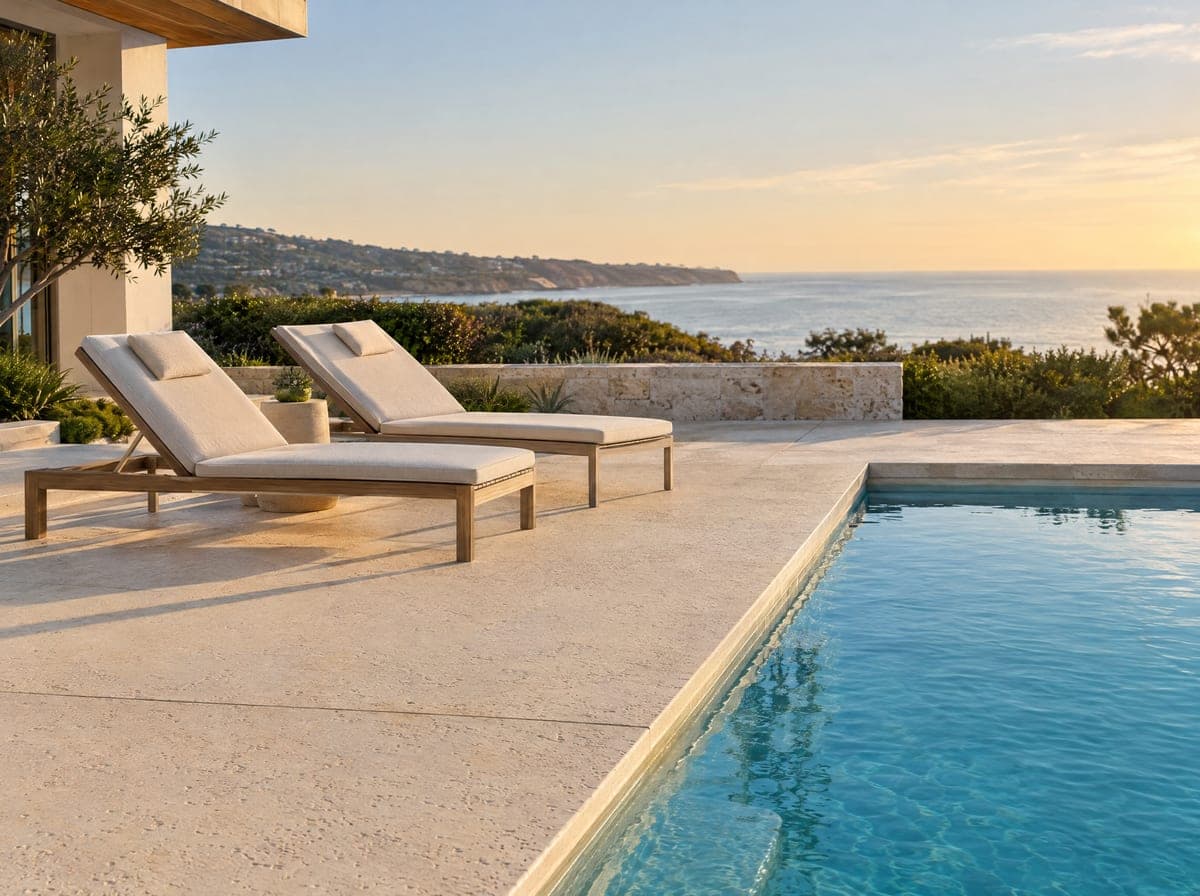
Textured, light-toned pool deck coatings that add grip, stay more comfortable underfoot, and resist sun, salt, and pool chemicals without tearing out the slab.
Learn more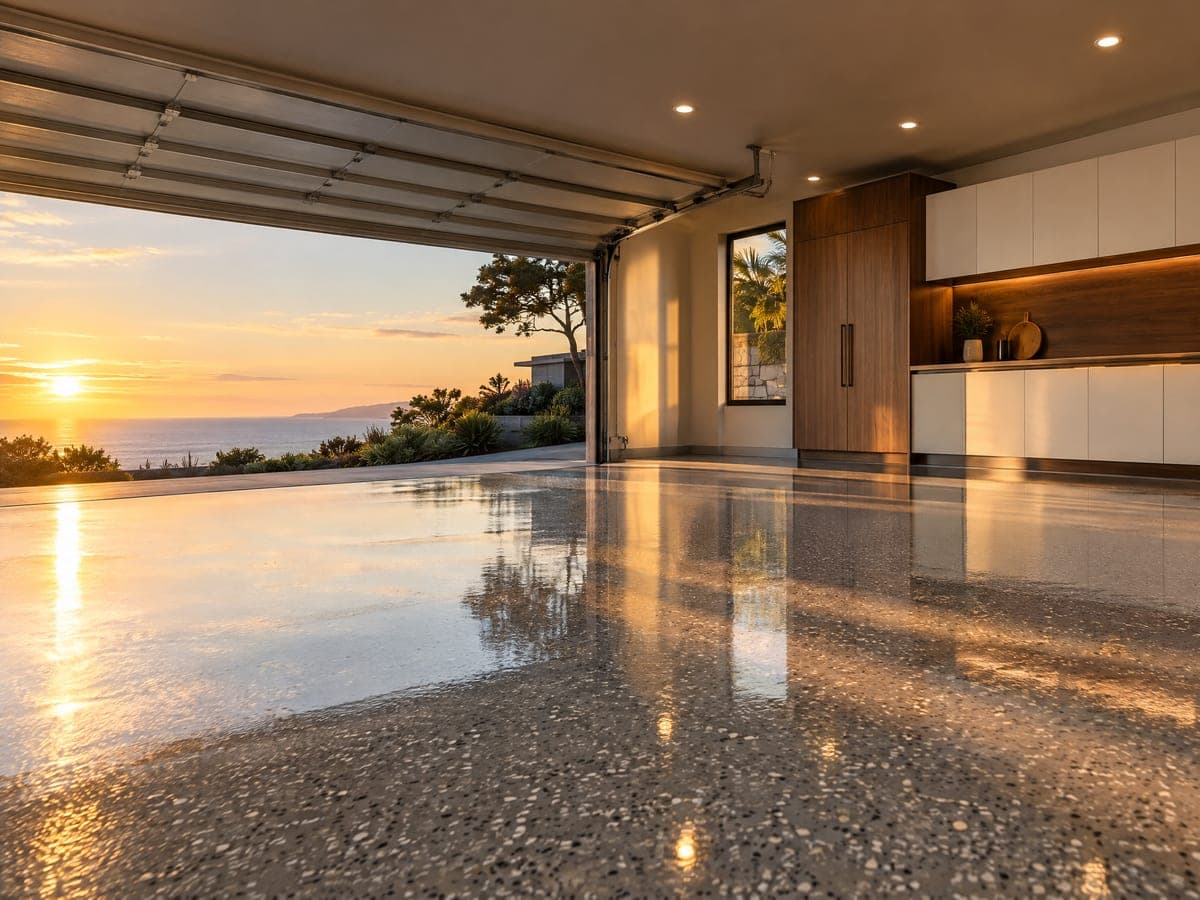
Garage Floor Epoxy
Diamond-ground, multi-layer garage floor systems with flake or metallic finishes and a UV-stable topcoat, built for coastal sun, salt air, and hot tires.
Learn more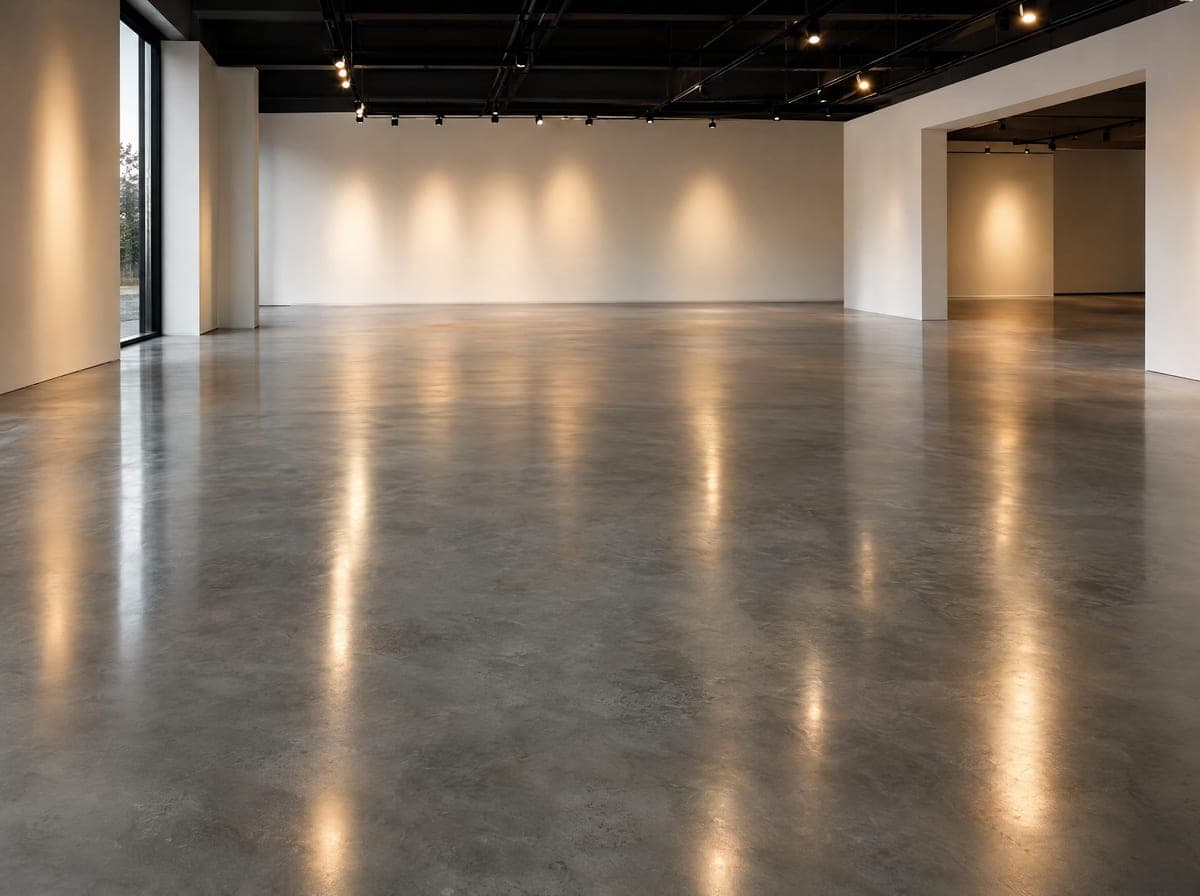
Concrete Polishing
Diamond-ground, densified, and guarded concrete floors from matte to high gloss for modern homes, ADUs, garages, showrooms, retail, and warehouses.
Learn moreConcrete Resurfacing across San Diego
La Jolla
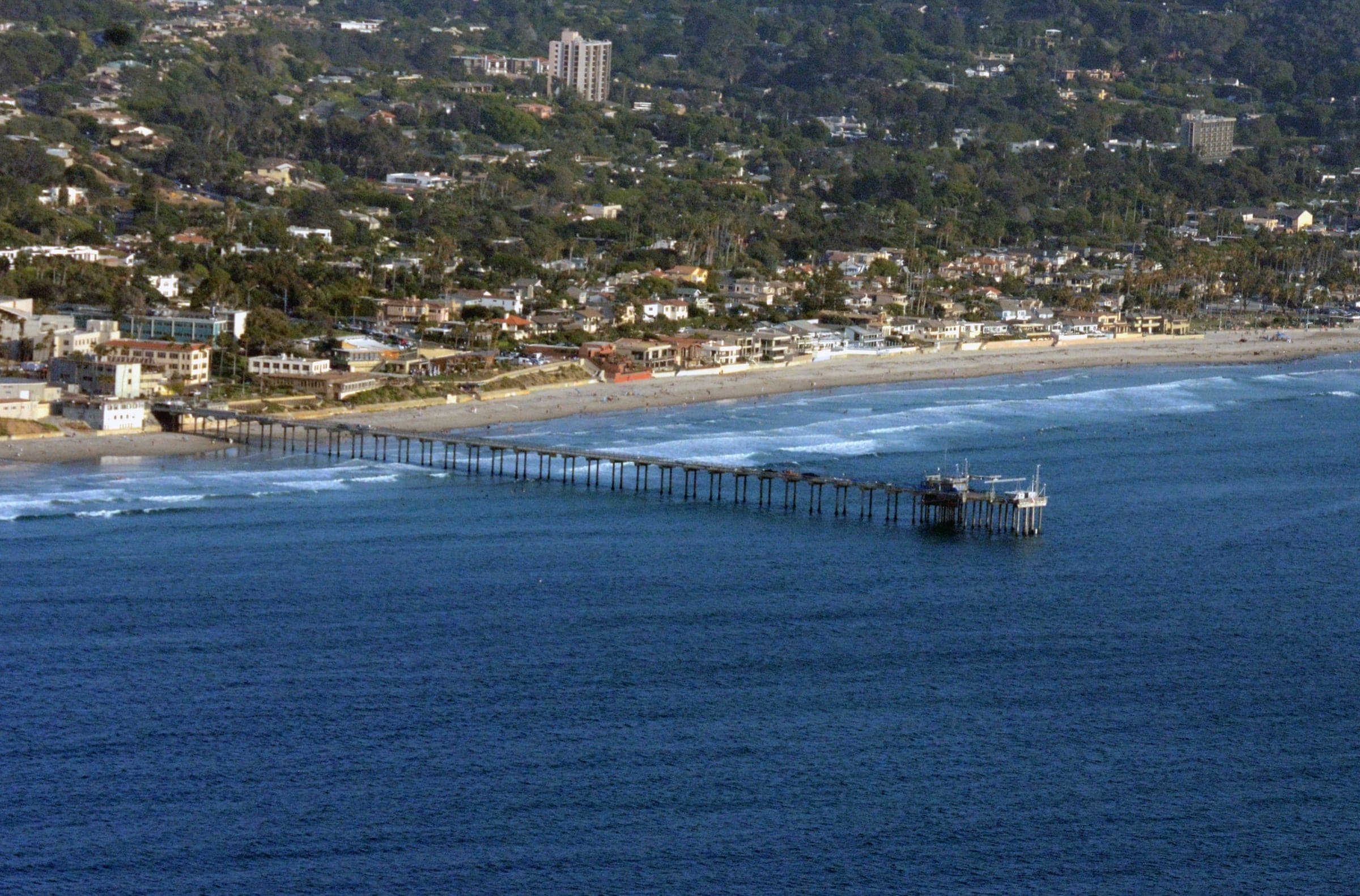
Garage floor epoxy and polyaspartic coatings for La Jolla homes, built for salt air, marine-layer mornings and strong coastal sun, from Bird Rock to La Jolla Farms.
Epoxy floors in La Jolla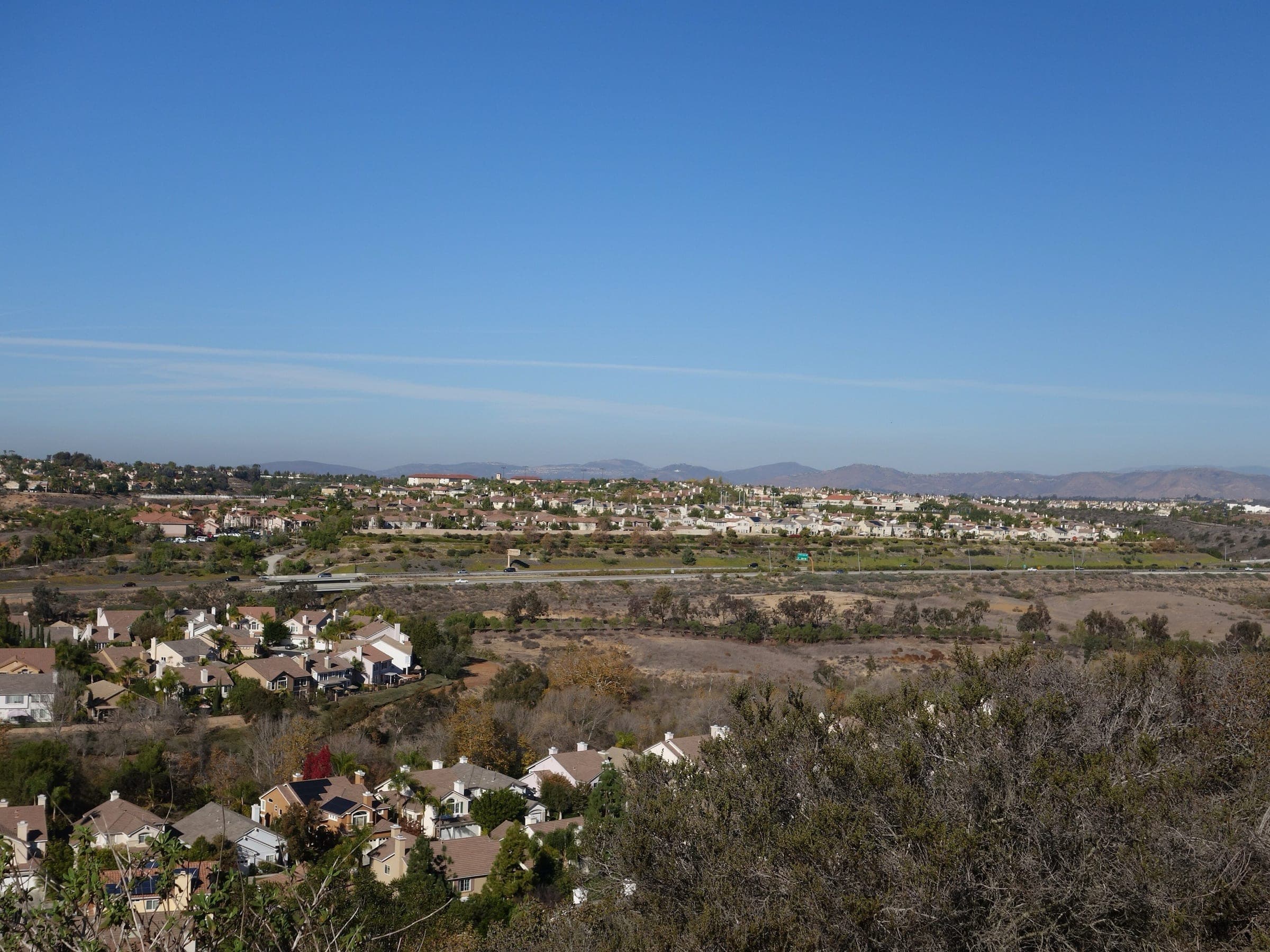
Carmel Valley
Flake and polyaspartic garage coatings for Carmel Valley, Pacific Highlands Ranch and Torrey Hills homes, with full removal of old coatings and HOA submittal support.
Epoxy floors in Carmel Valley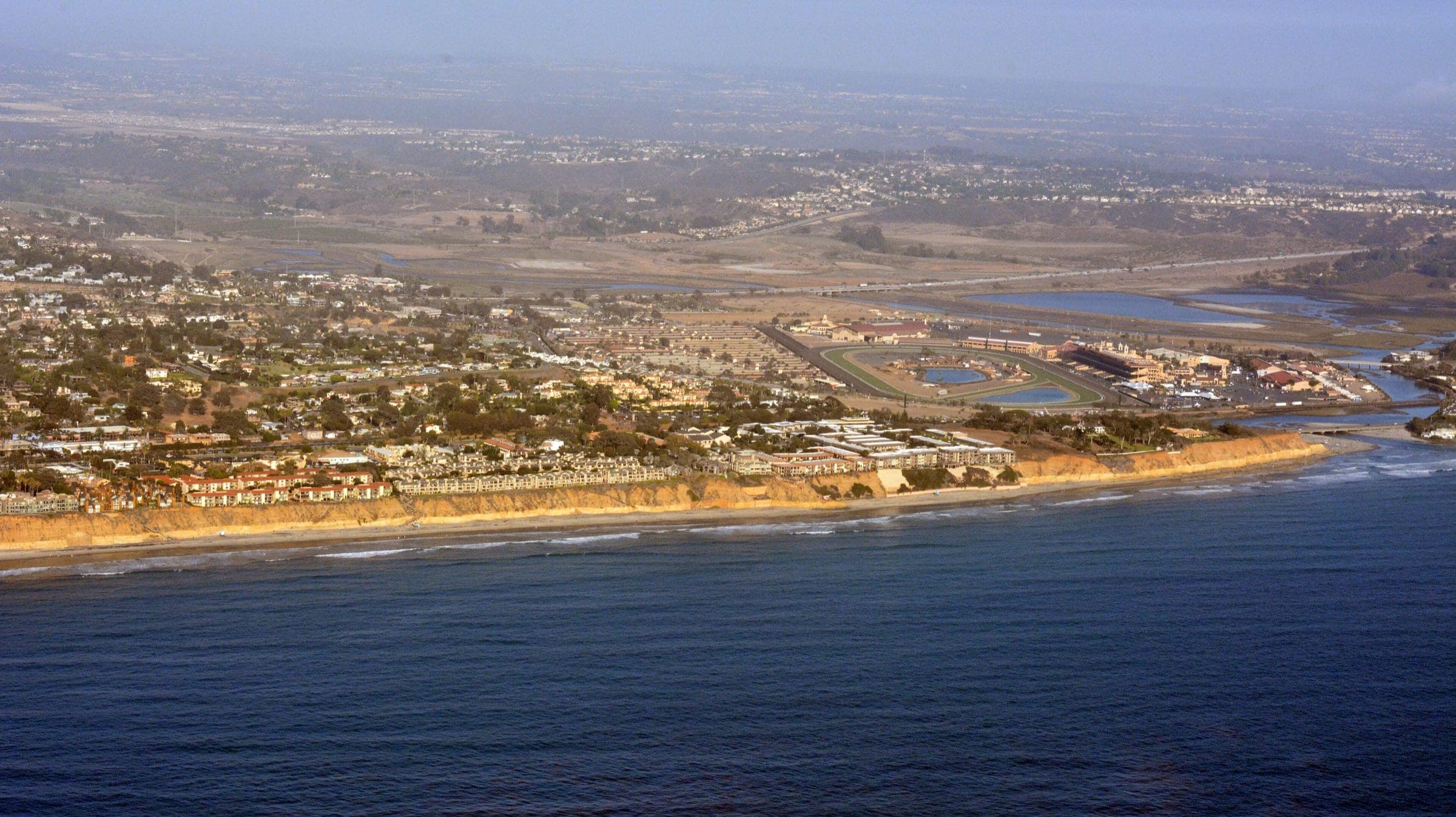
Del Mar
Garage coatings and concrete resurfacing for Del Mar and Solana Beach, with moisture testing for low-lying slabs and UV-stable topcoats for salt air.
Epoxy floors in Del Mar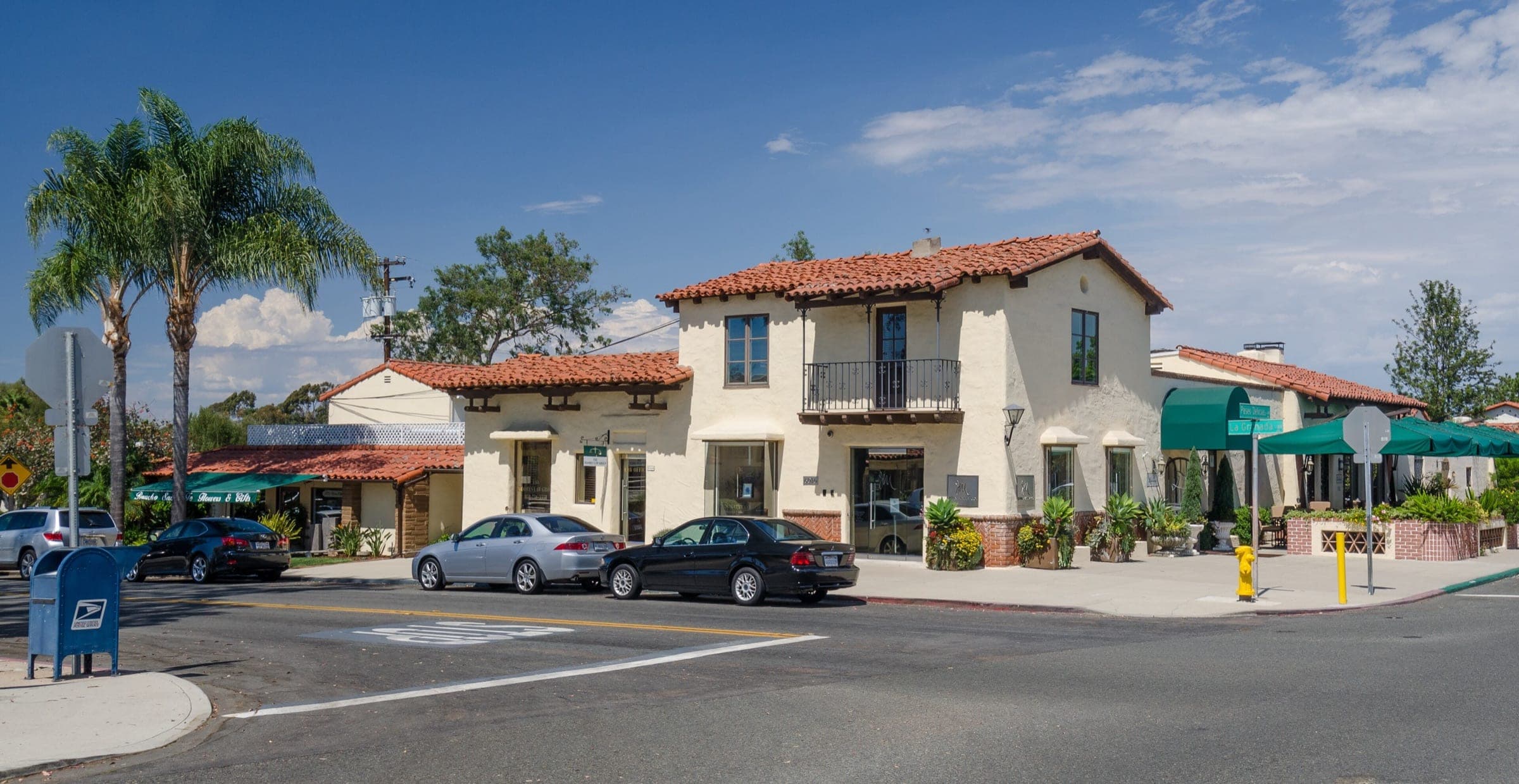
Rancho Santa Fe
Garage floor epoxy, metallic finishes and pool deck resurfacing for Rancho Santa Fe estates, with prep for inland heat and product details for Art Jury review.
Epoxy floors in Rancho Santa Fe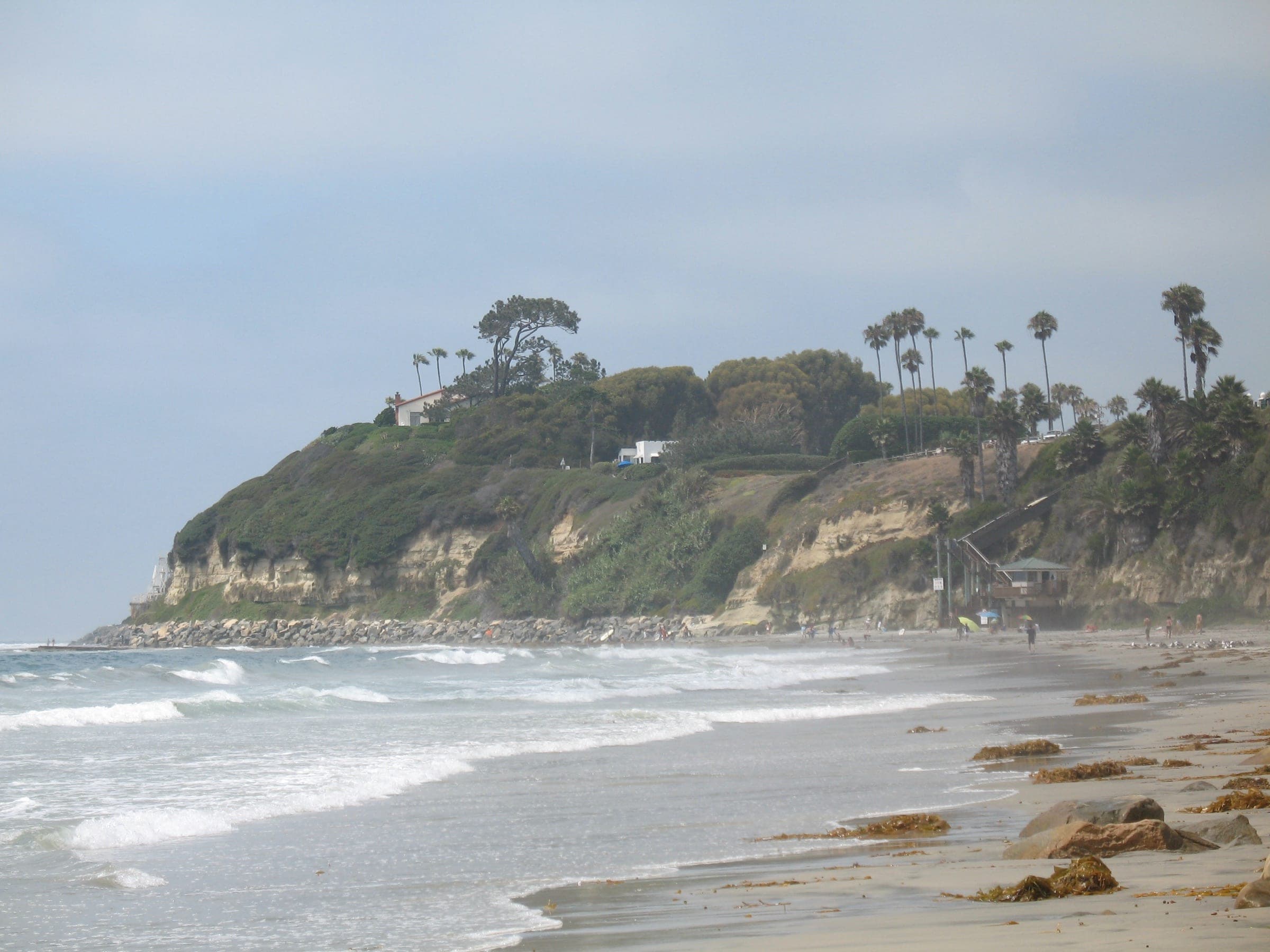
Encinitas
Encinitas garage, patio, and pool deck coatings matched to each community: salty bluff-top air in Leucadia and Cardiff, stronger sun in Olivenhain.
Epoxy floors in Encinitas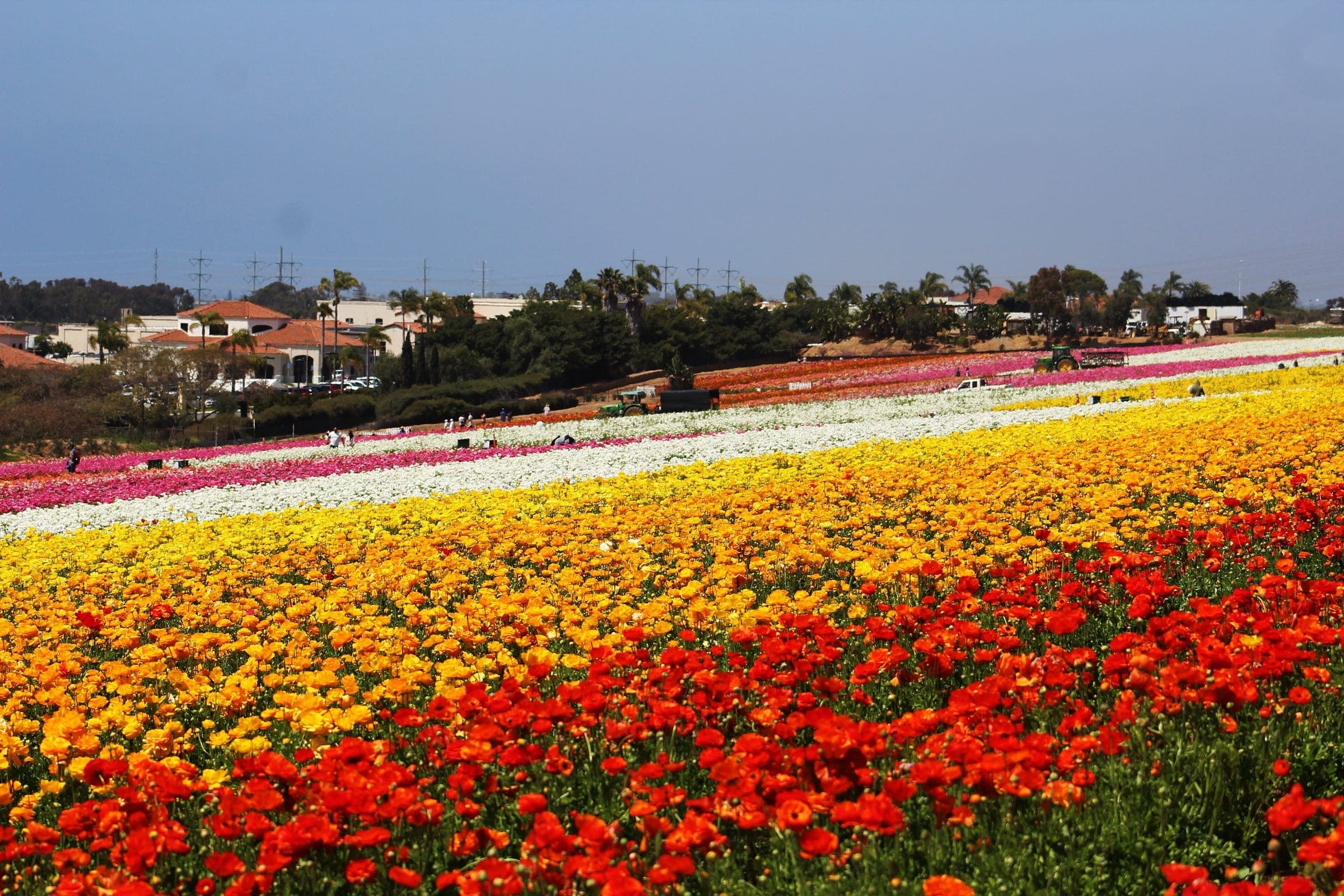
Carlsbad
Garage floor systems for La Costa, Aviara, Bressi Ranch, and the Village, plus commercial epoxy and polished concrete for Carlsbad's business parks.
Epoxy floors in Carlsbad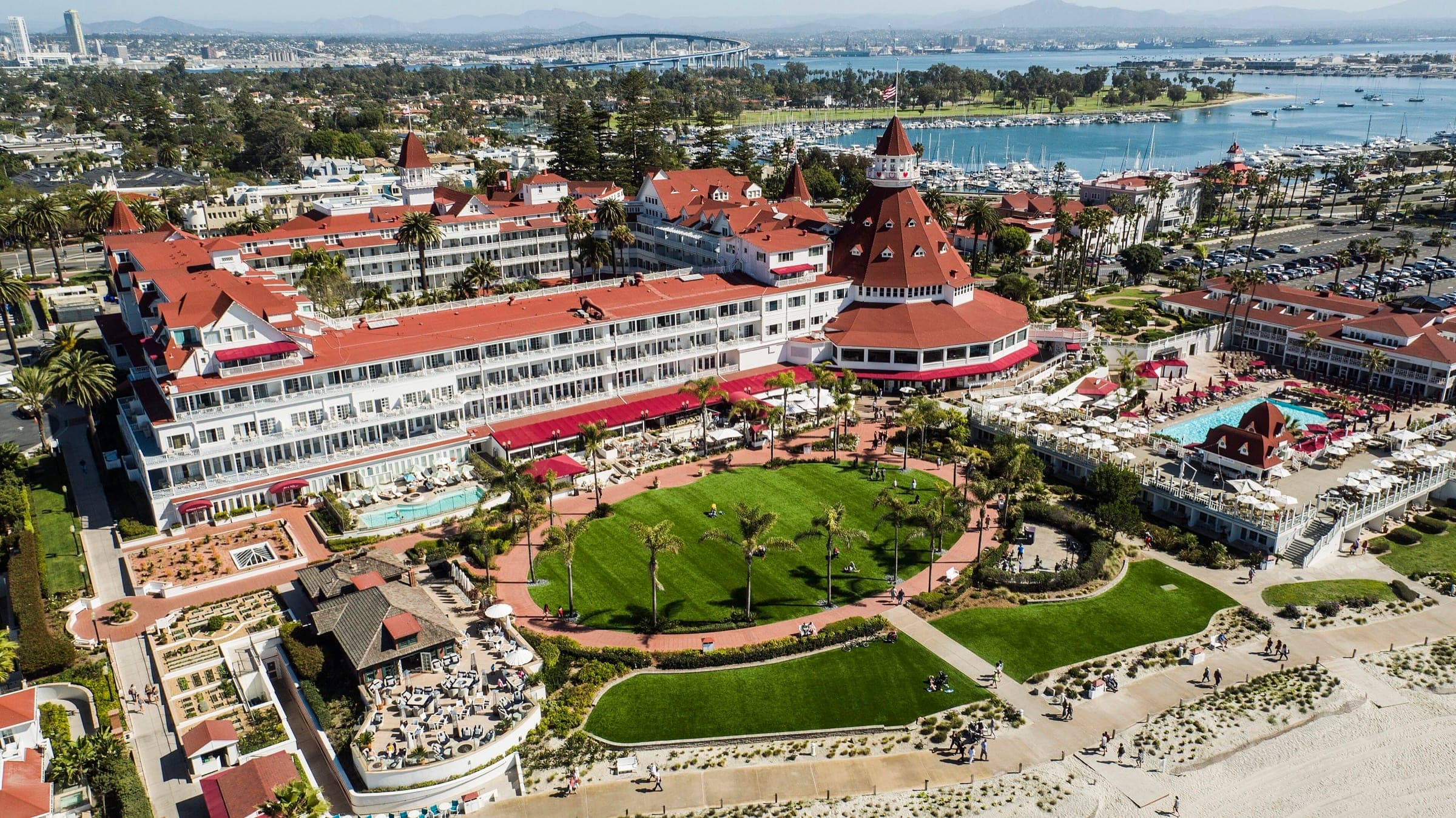
Coronado
UV-stable, moisture-tested floor systems for Coronado's alley garages, bayfront Cays homes, and salt-weathered patios and courtyards.
Epoxy floors in Coronado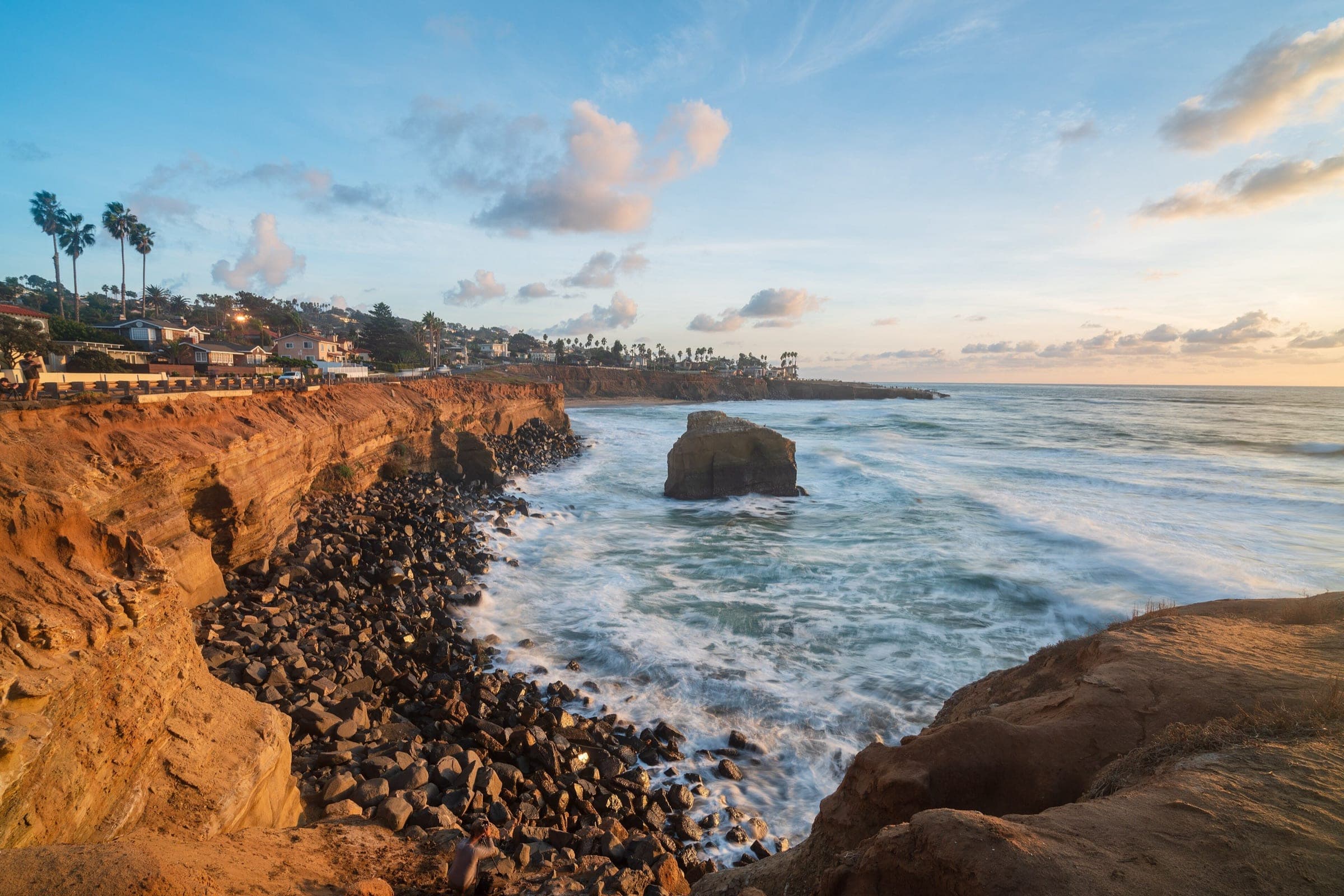
Point Loma
Coatings for Point Loma garages, driveways, and patios, from Sunset Cliffs and the Wooded Area to La Playa and Fleetridge, built for salt air and slopes.
Epoxy floors in Point Loma
Get a concrete resurfacing estimate
Tell us about the space. We will inspect the slab, test for moisture, and recommend the right system with a written estimate.